How To
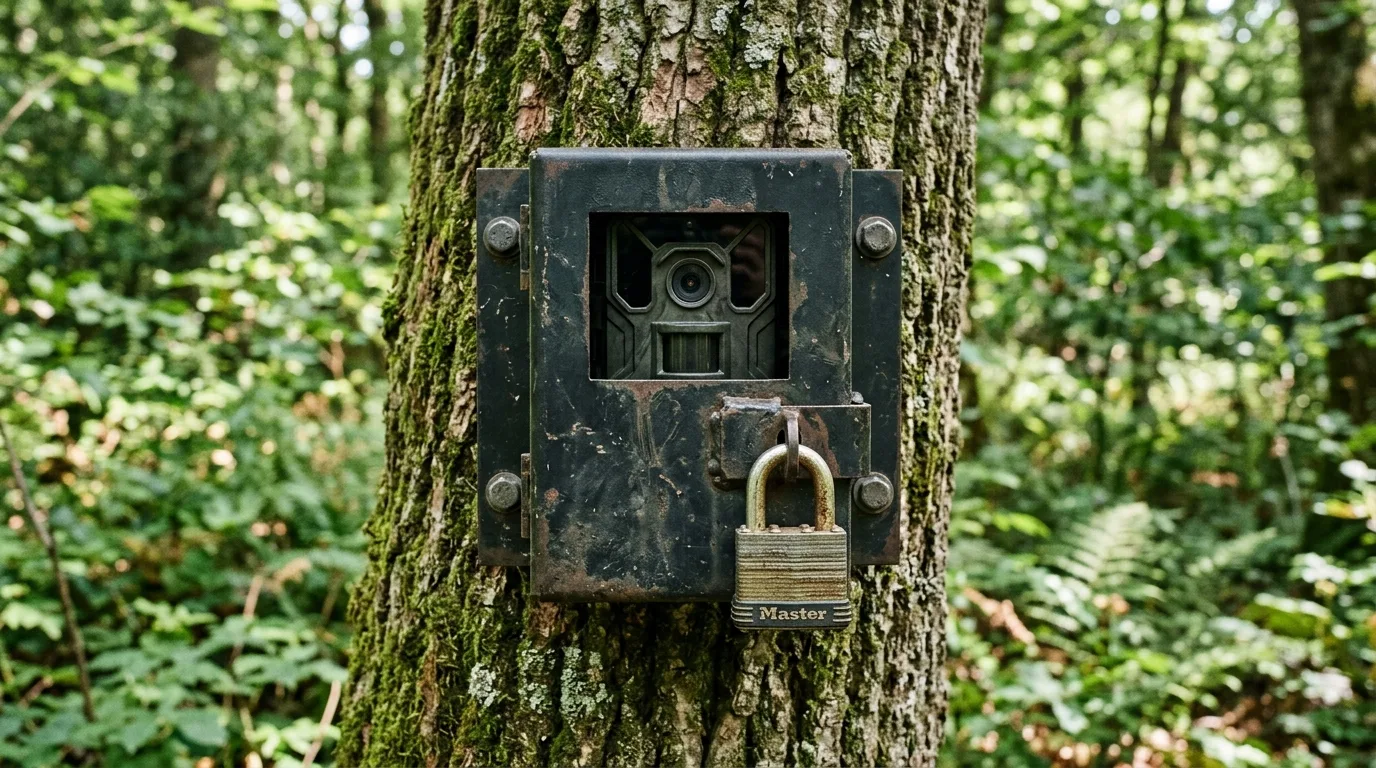
How to Stop Your Trail Camera From Being Stolen: Locks, Boxes, and Smart Placement
Trail camera theft is common and no camera is theft-proof. Practical ways to make yours a hard target — locks, boxes, placement, no-glow IR, and…
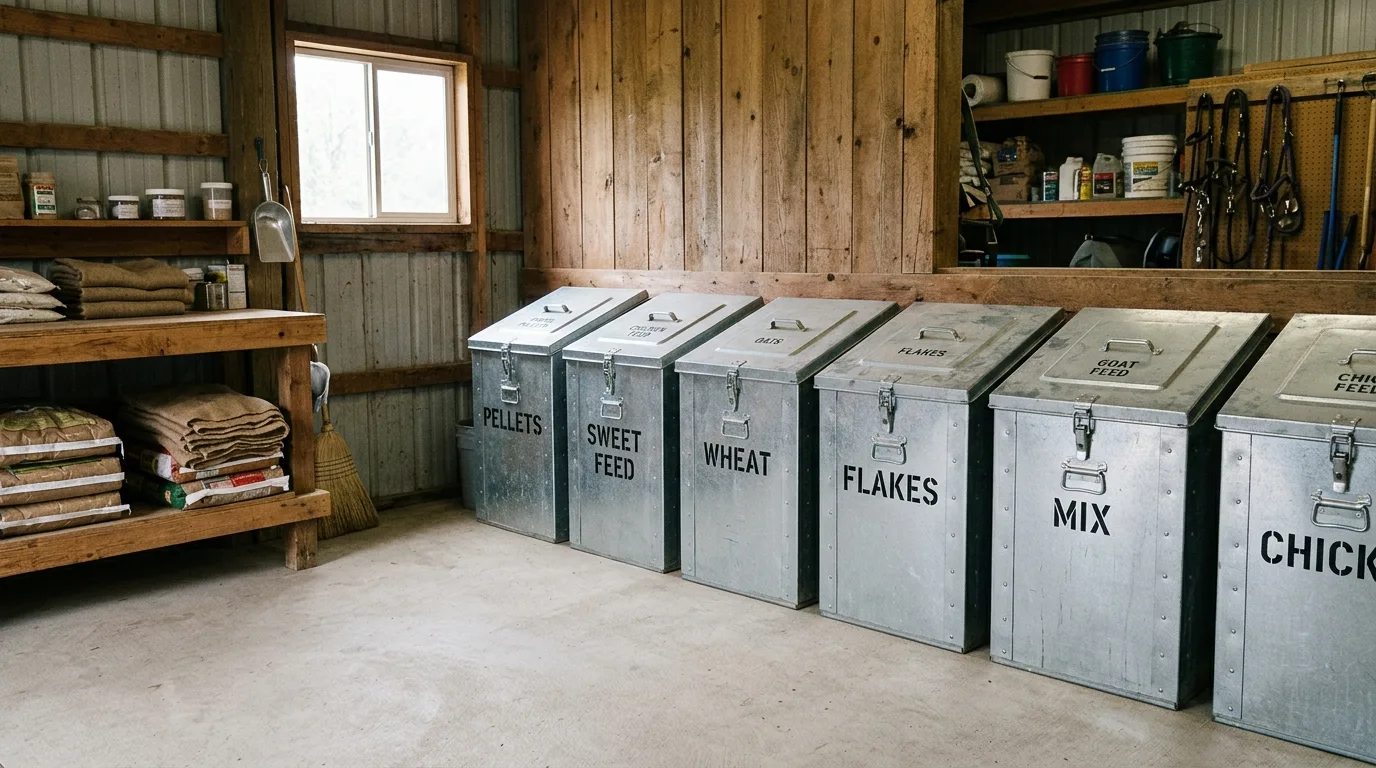
Rats, Mice, and the Barn: How to Stop Rodents Raiding Your Coop and Feed
A practical guide to rodent-proofing barns, coops and stored feed: seal the gaps, store feed in metal, cut the harborage, then trap and bait the…
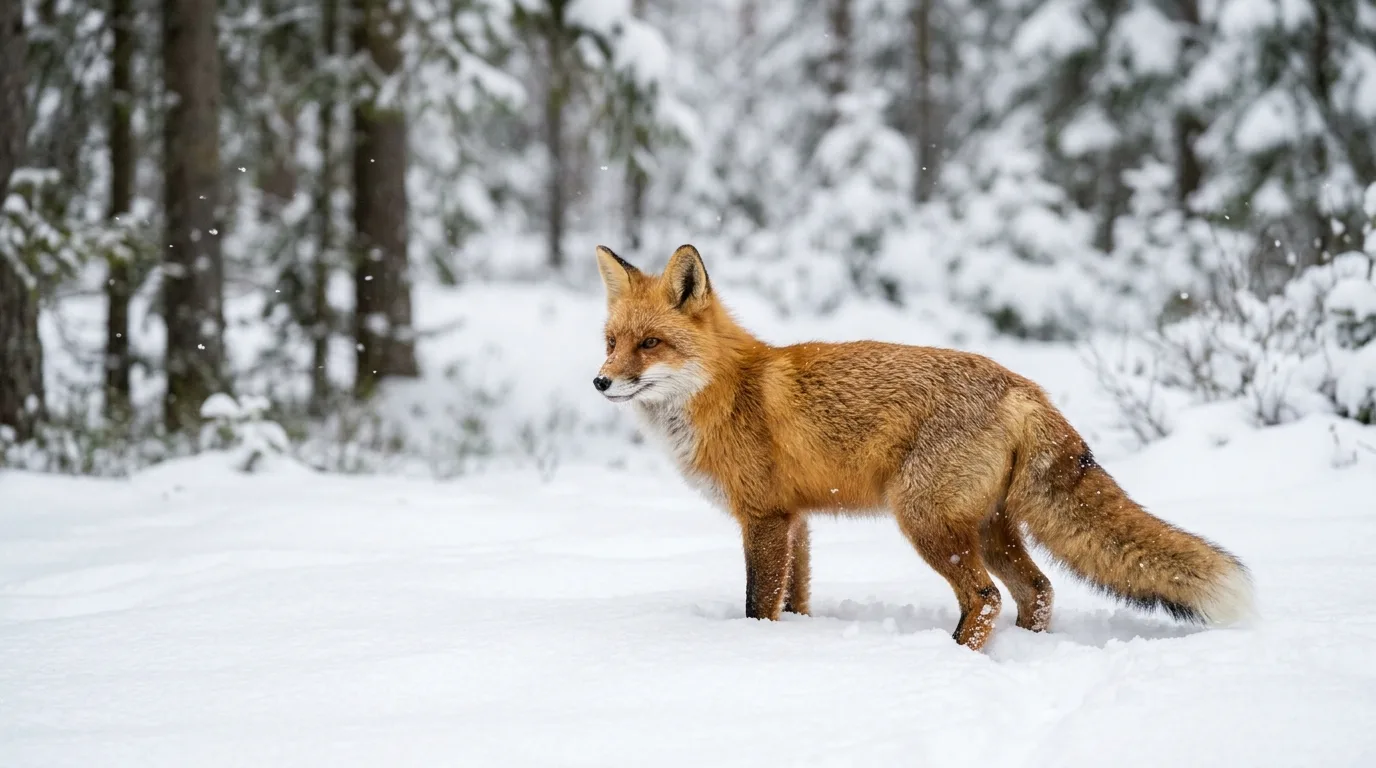
Winter Wildlife Photography: Working With Snow, Cold, and Low Light
How to photograph wildlife in winter: expose for snow, fix the blue cast, keep batteries alive in the cold, beat condensation, and read animals…
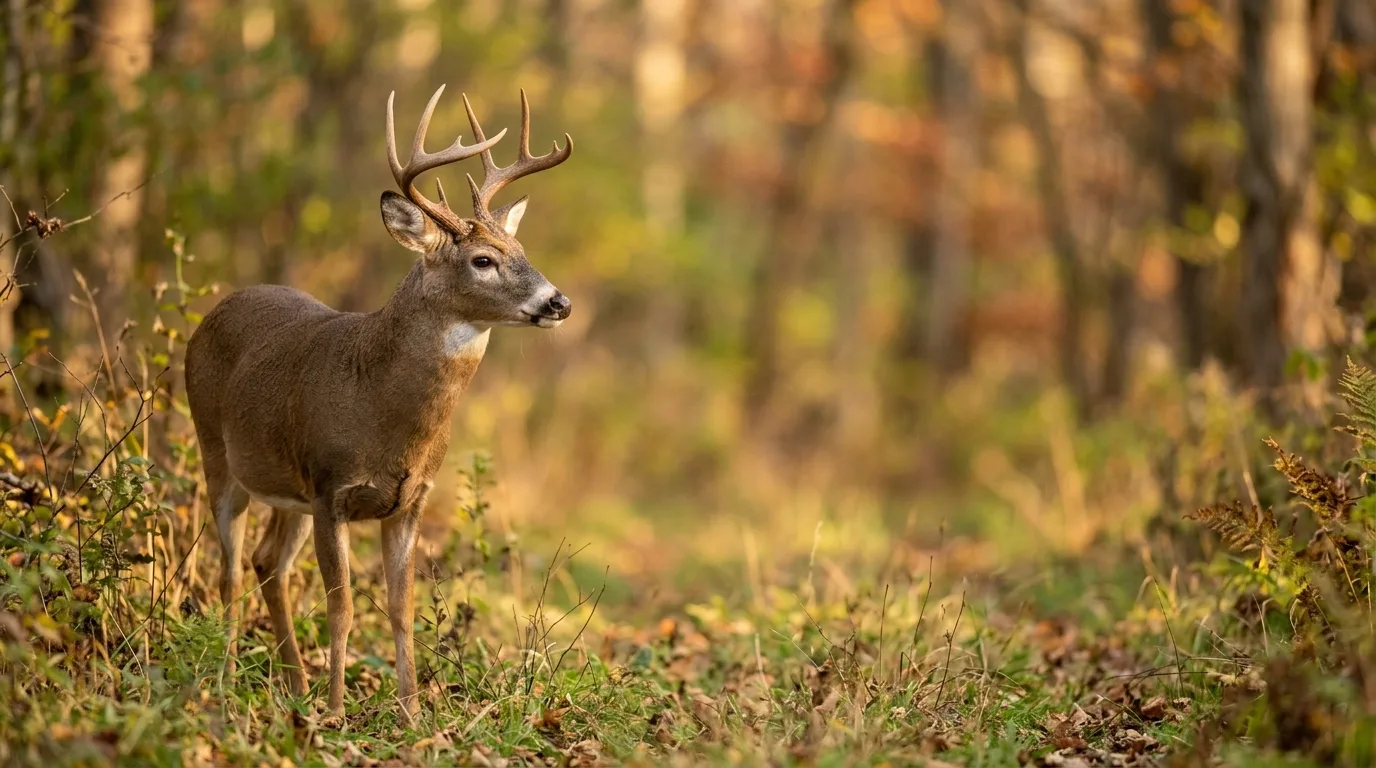
Wildlife Photography Composition: How to Frame Animal Photos That Work
How to compose wildlife photos that work: subject placement, the sharp eye, lead room, clean backgrounds, eye level, negative space, and when to…
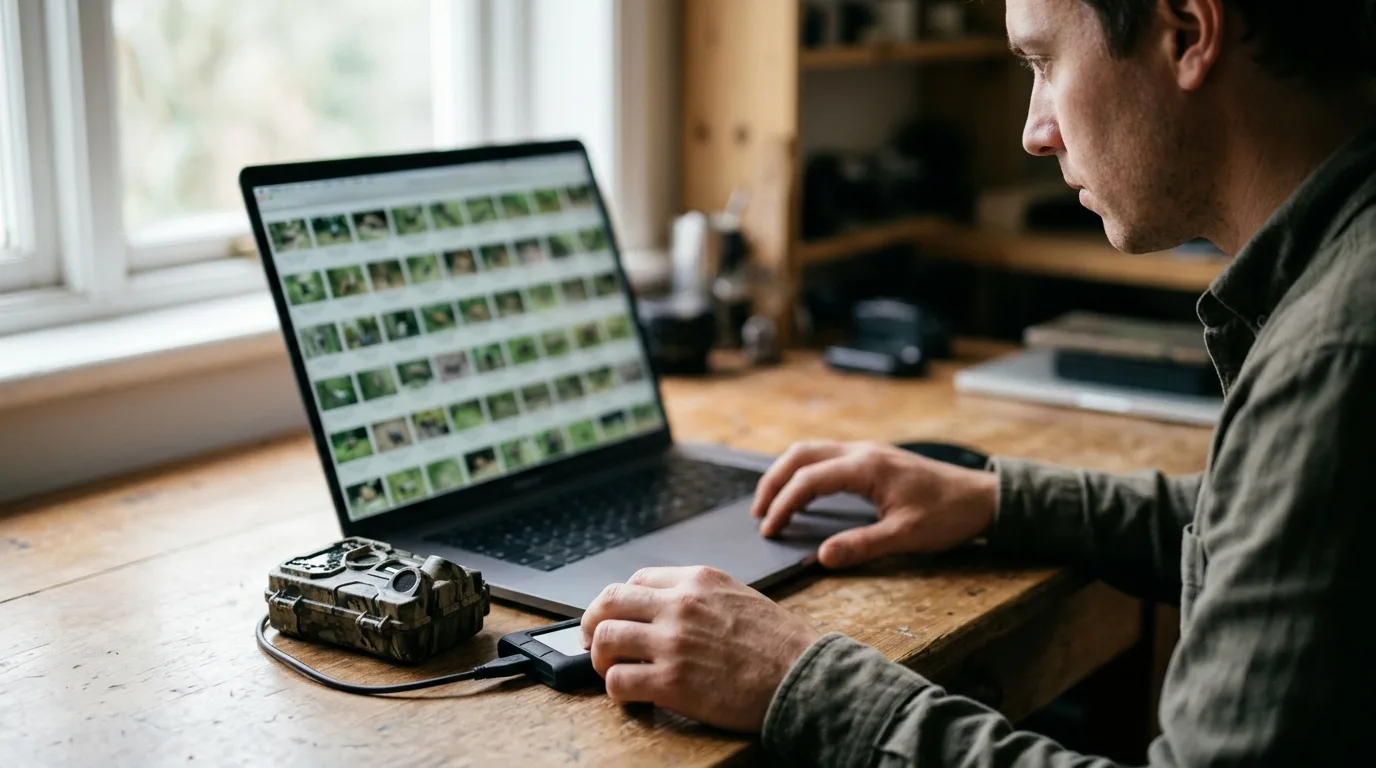
How AI Species Recognition Works on Trail Cameras — and Where It Gets It Wrong
How trail-camera AI detects animals and names the species — the two-step detector-classifier pipeline, what the accuracy numbers mean, and where it…
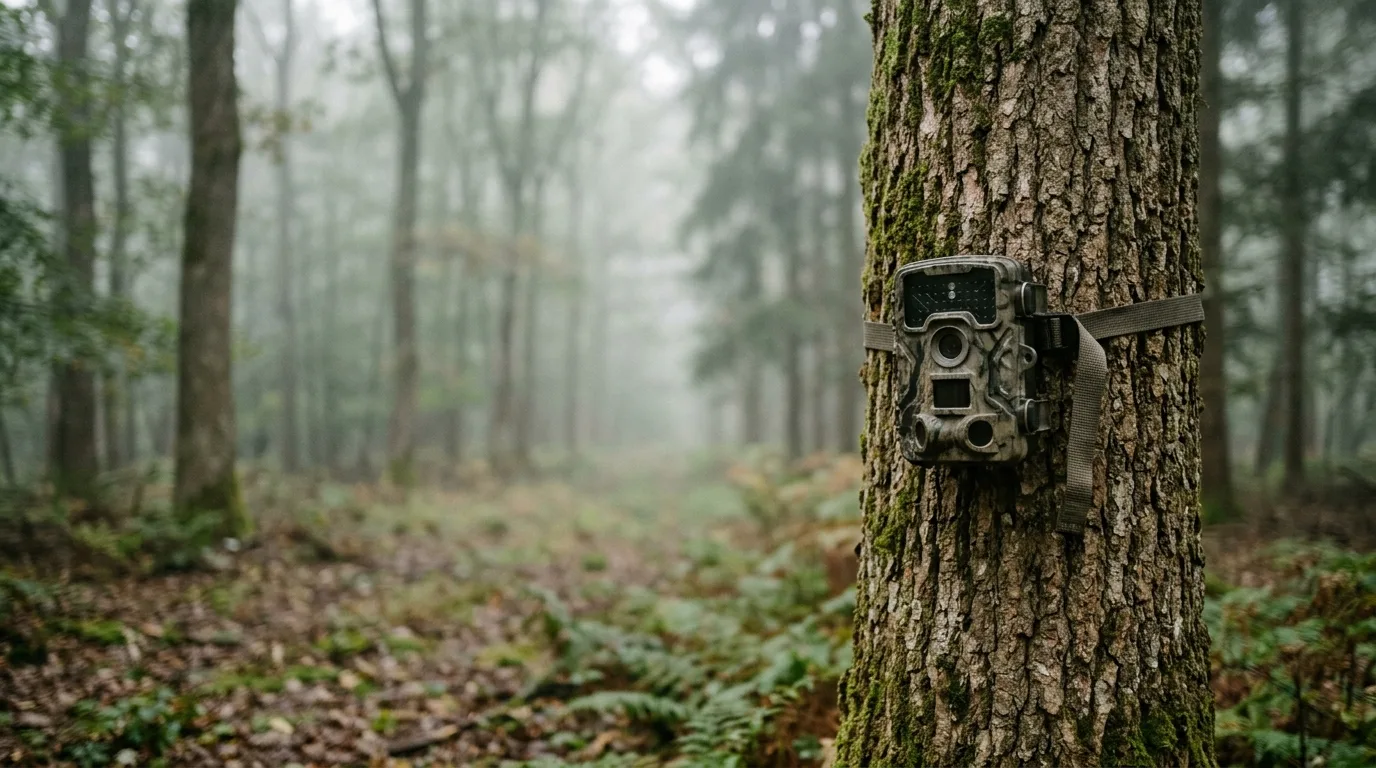
Occupancy Models for Camera Traps: When a Blank Camera Doesn't Mean the Animal's Gone
A non-detection isn't an absence. How occupancy models use detection probability to estimate where a species really is — from camera-trap data, with…
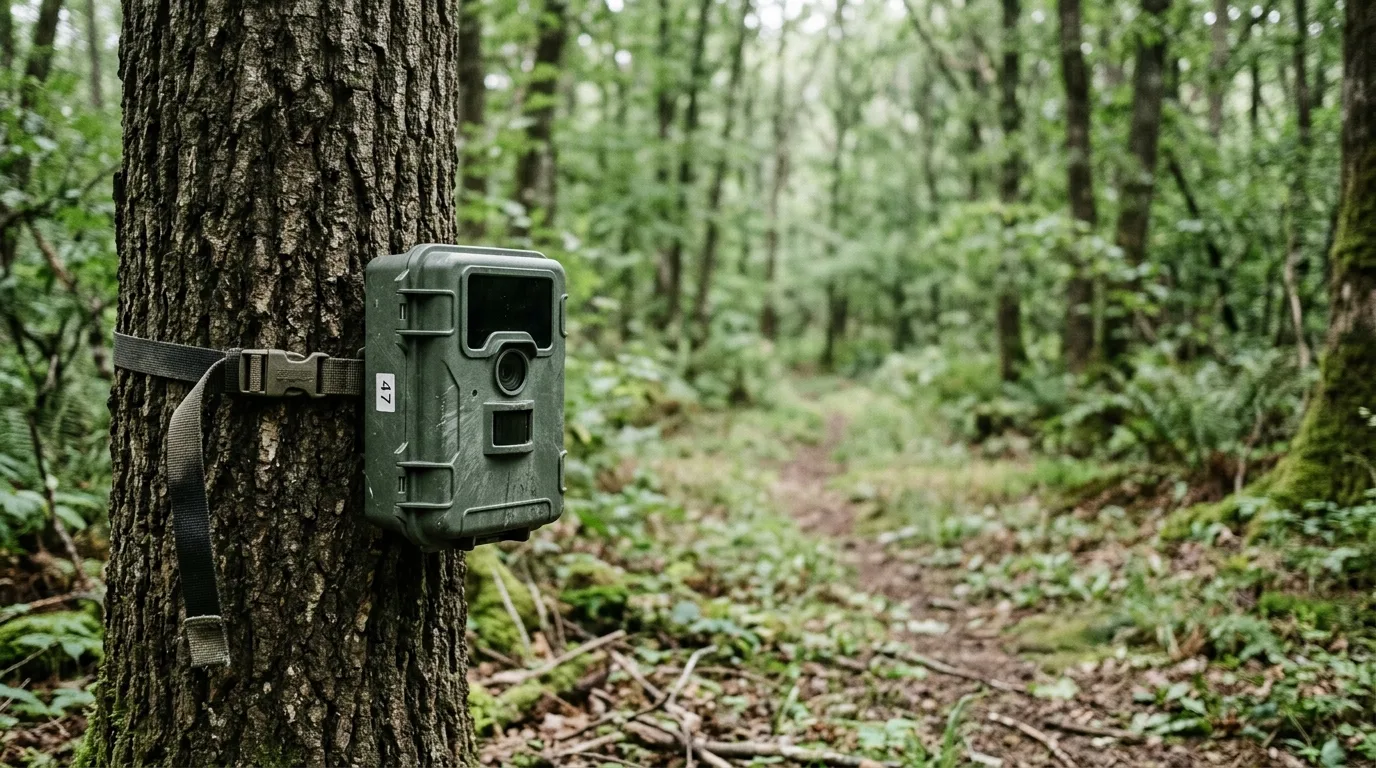
How to Estimate Wildlife Density From Camera Traps Without Marking Animals
REM, distance sampling, REST, TIFC, time-to-event: how to turn camera-trap detection rates into real animal density without identifying individuals…
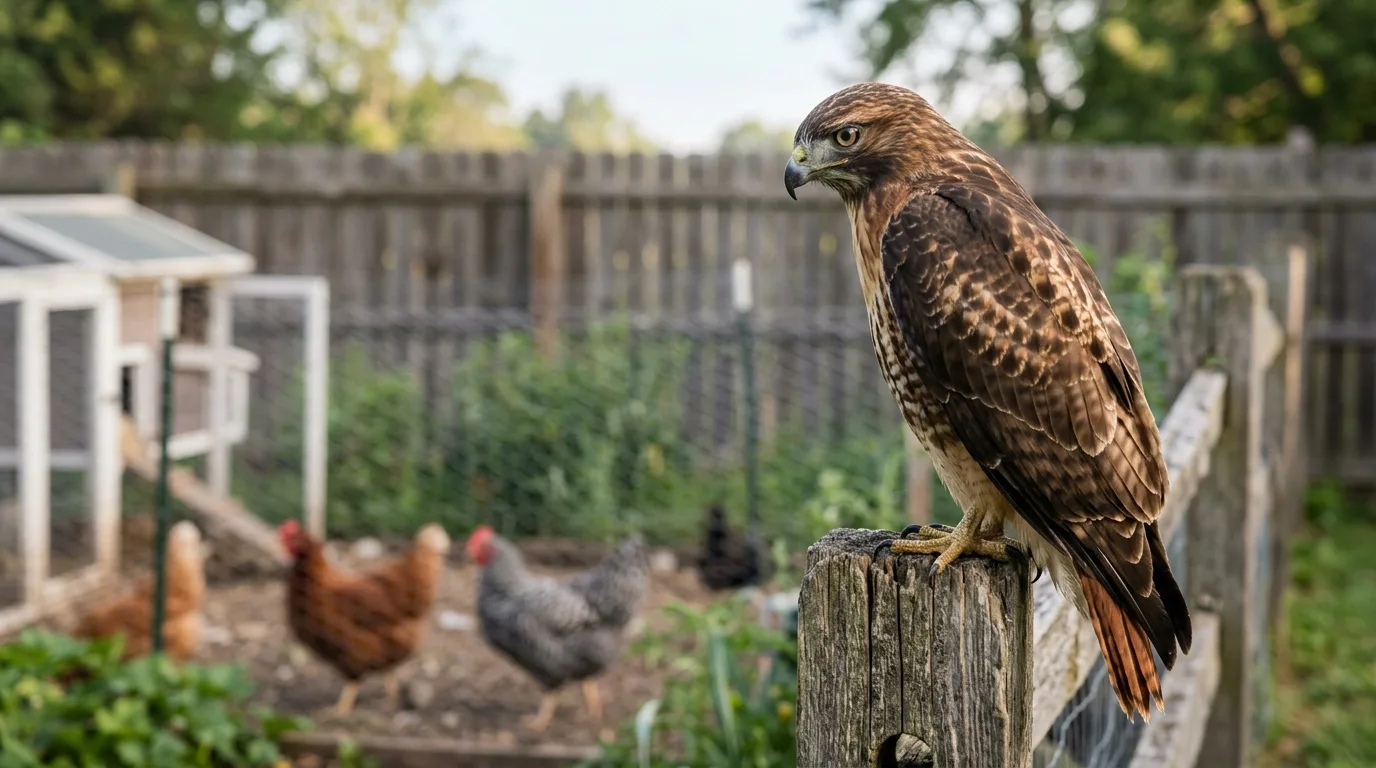
How to Protect Chickens From Hawks, Owls, and Other Aerial Predators
Stop hawks and owls killing your chickens with covered runs, overhead wire, cover, and roosters — the non-lethal defenses that actually work.
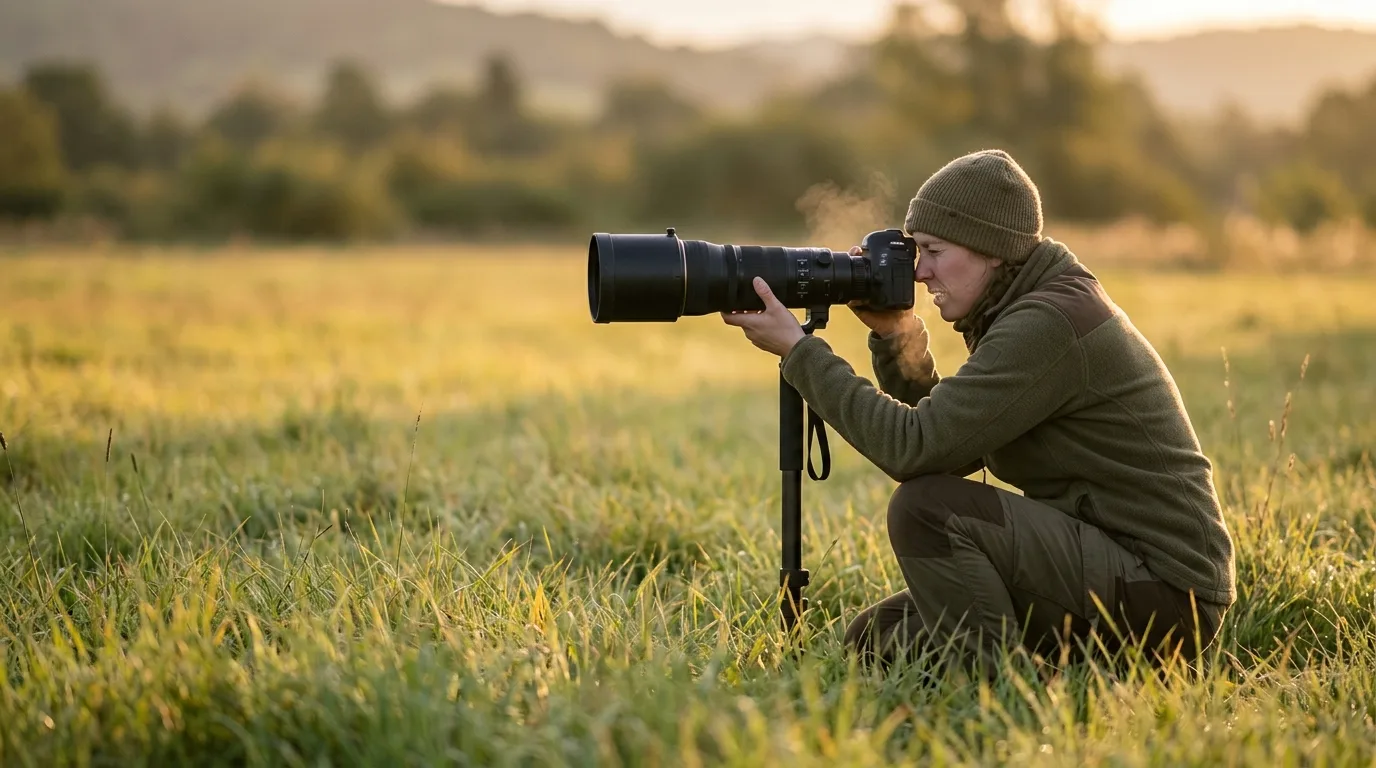
Wildlife Photography Settings: Aperture, Shutter Speed, and ISO for Sharp Animal Shots
Camera settings for sharp animal shots: shutter speed by subject, aperture for a sharp eye, the ISO-vs-noise truth, metering for fur and feather, and…
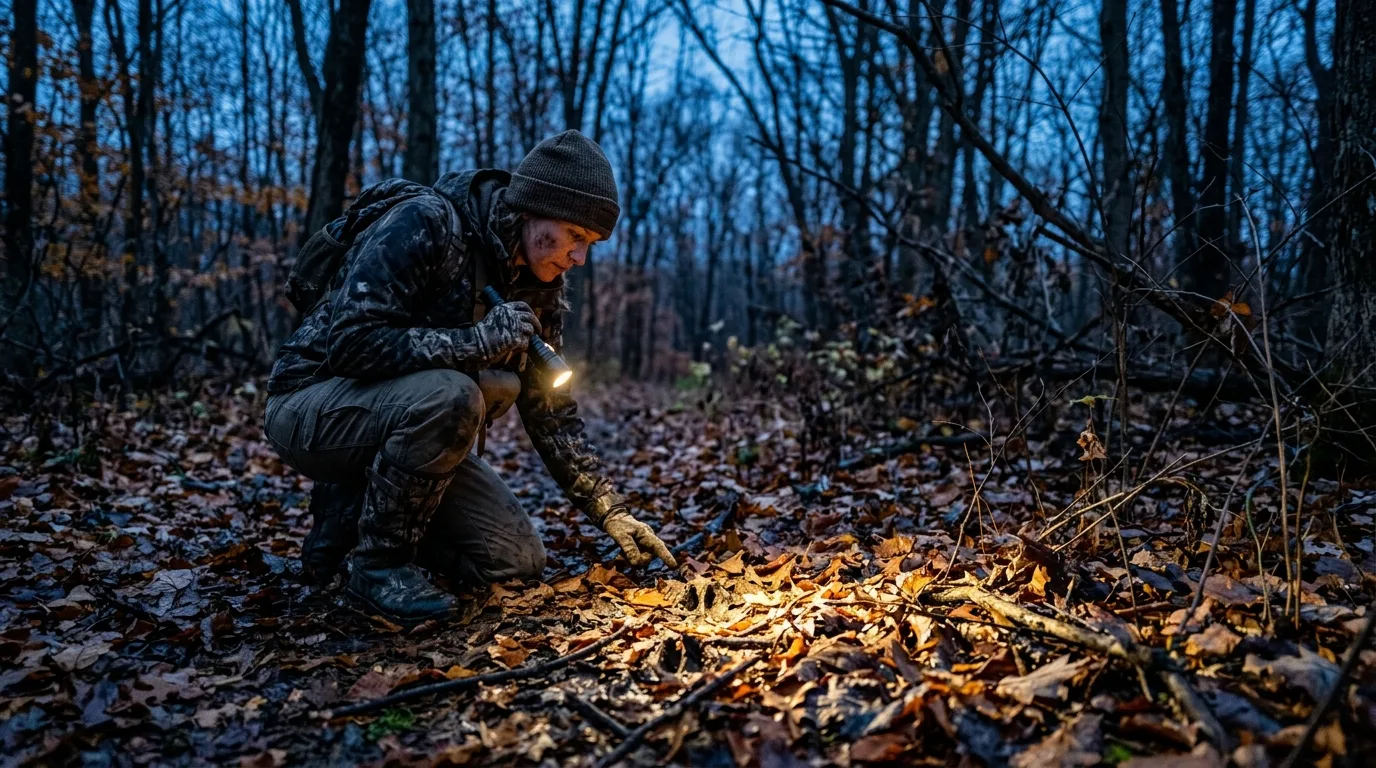
How to Track a Wounded Deer: Reading Blood Sign After the Shot
How to track a wounded deer: read blood color, judge the hit, wait the right time, and run a grid search. A clean-kill recovery guide for any hunter.
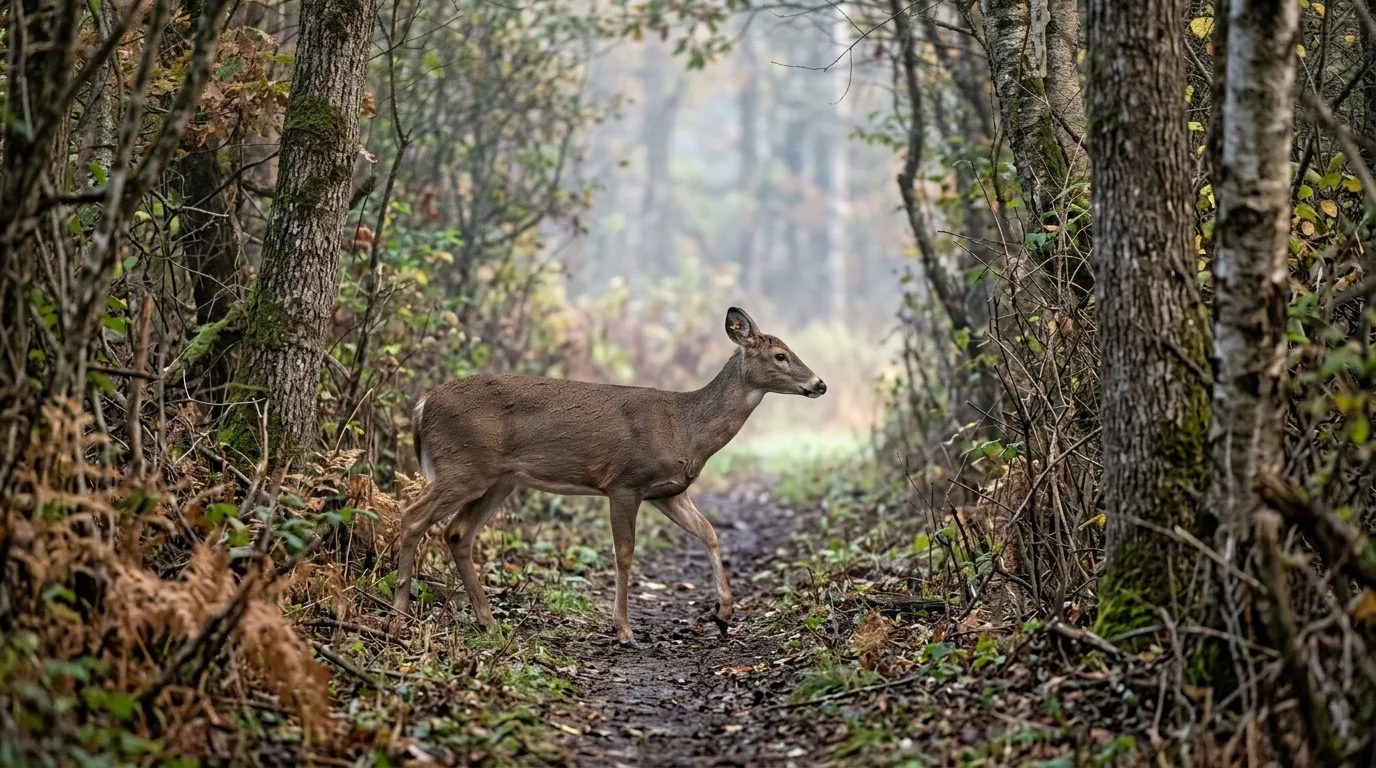
How to Find Deer Travel Corridors: Funnels, Saddles, and Pinch Points
Find deer funnels and pinch points by reading terrain. How saddles, creek bends, and edges concentrate deer movement — and where to hang the stand.
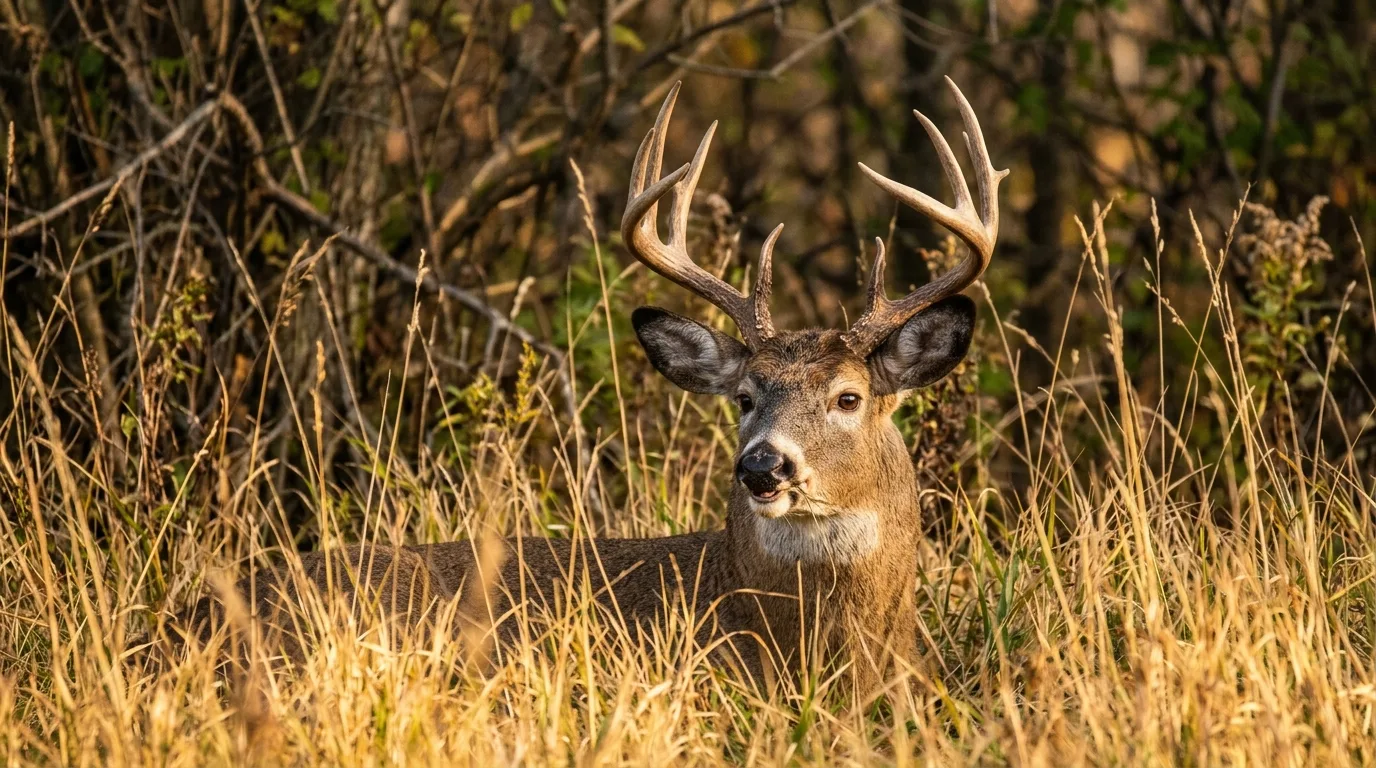
How to Find Deer Bedding Areas — and Why You Shouldn't Hunt Them
How to find deer bedding areas from cover, sign, maps, and trail cameras on the edge — and the fair-chase case for hunting the travel routes, not the…
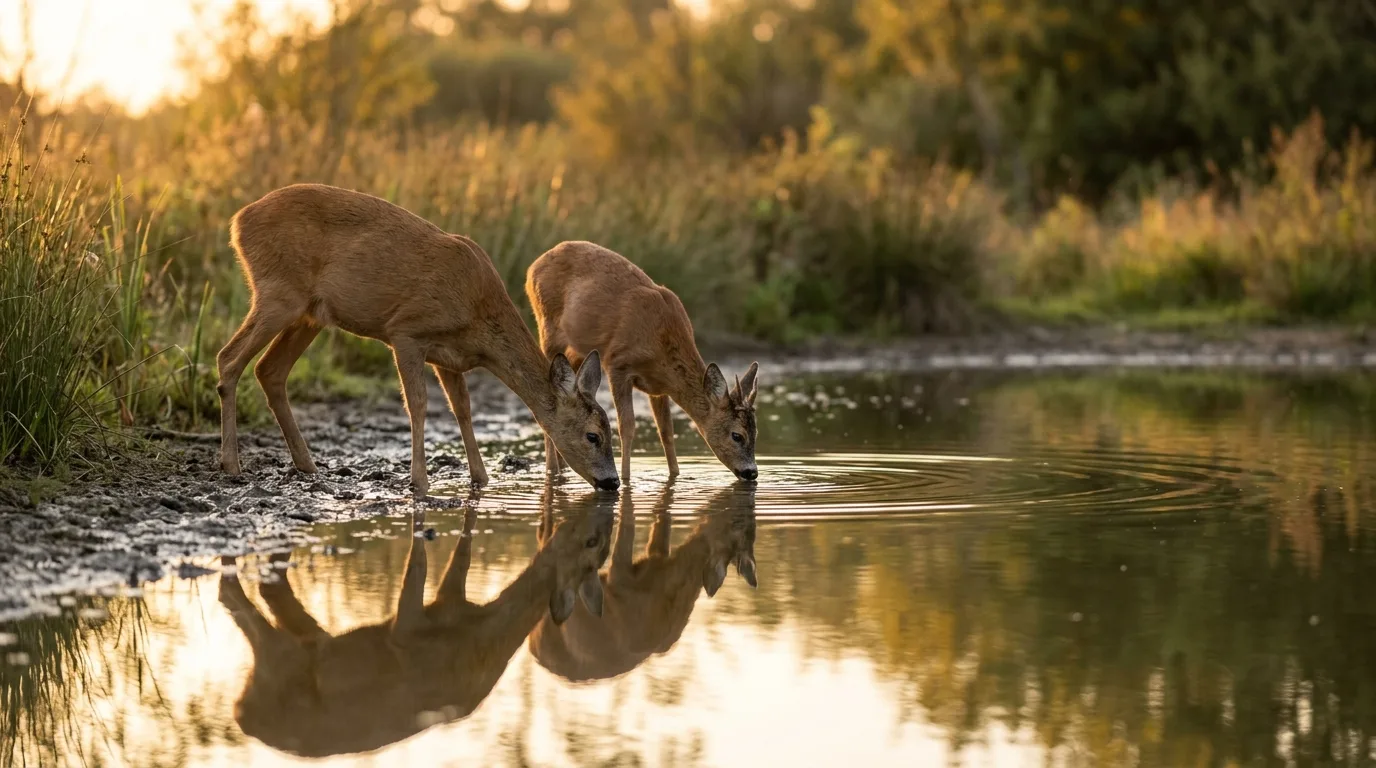
Photographing Wildlife at Water: How to Read, Sit, and Shoot a Waterhole
Photographing wildlife at water: why water draws traffic, where to place a hide, when to sit, and how to shoot reflections — without disturbing…
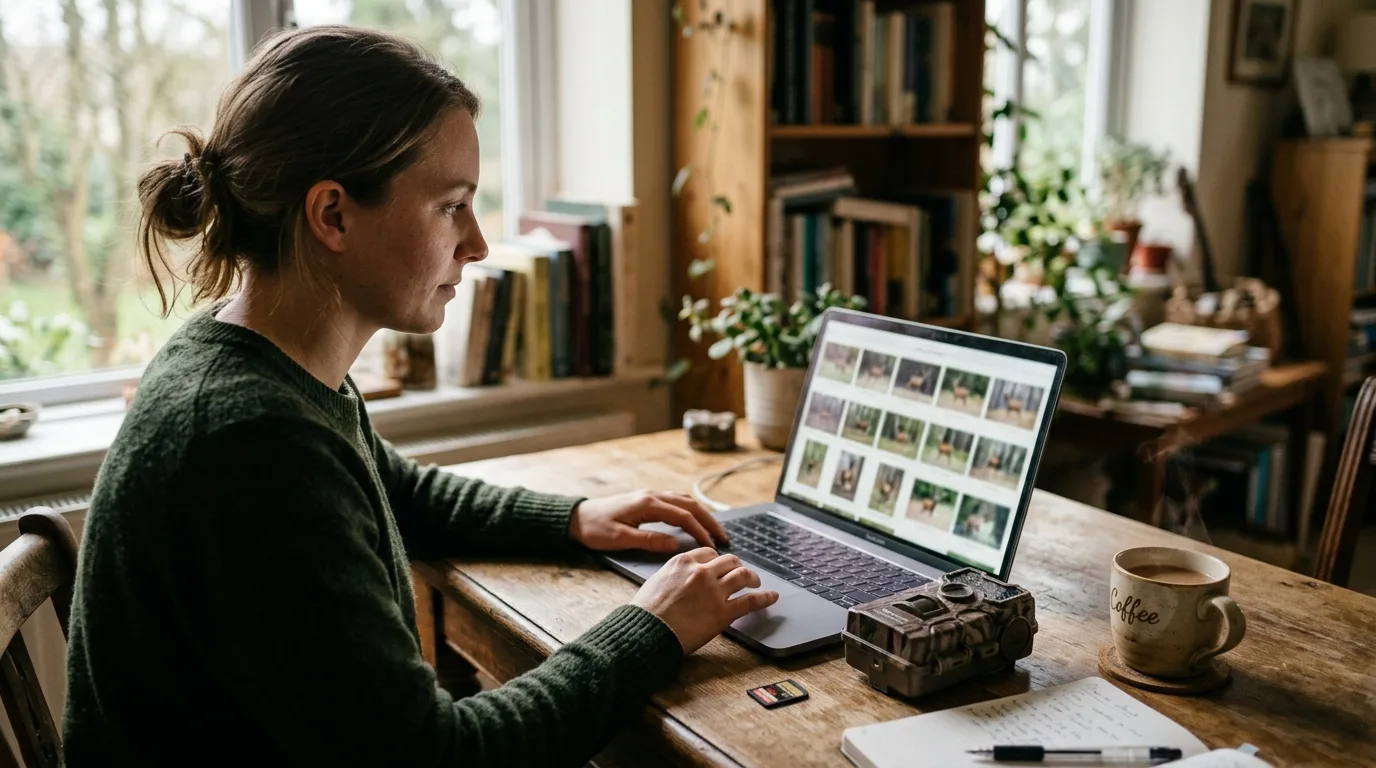
How to Contribute Your Trail Camera Photos to Citizen Science Projects
How to contribute trail camera photos to research: what to submit, protecting sensitive species' locations, licensing, and where your data goes.
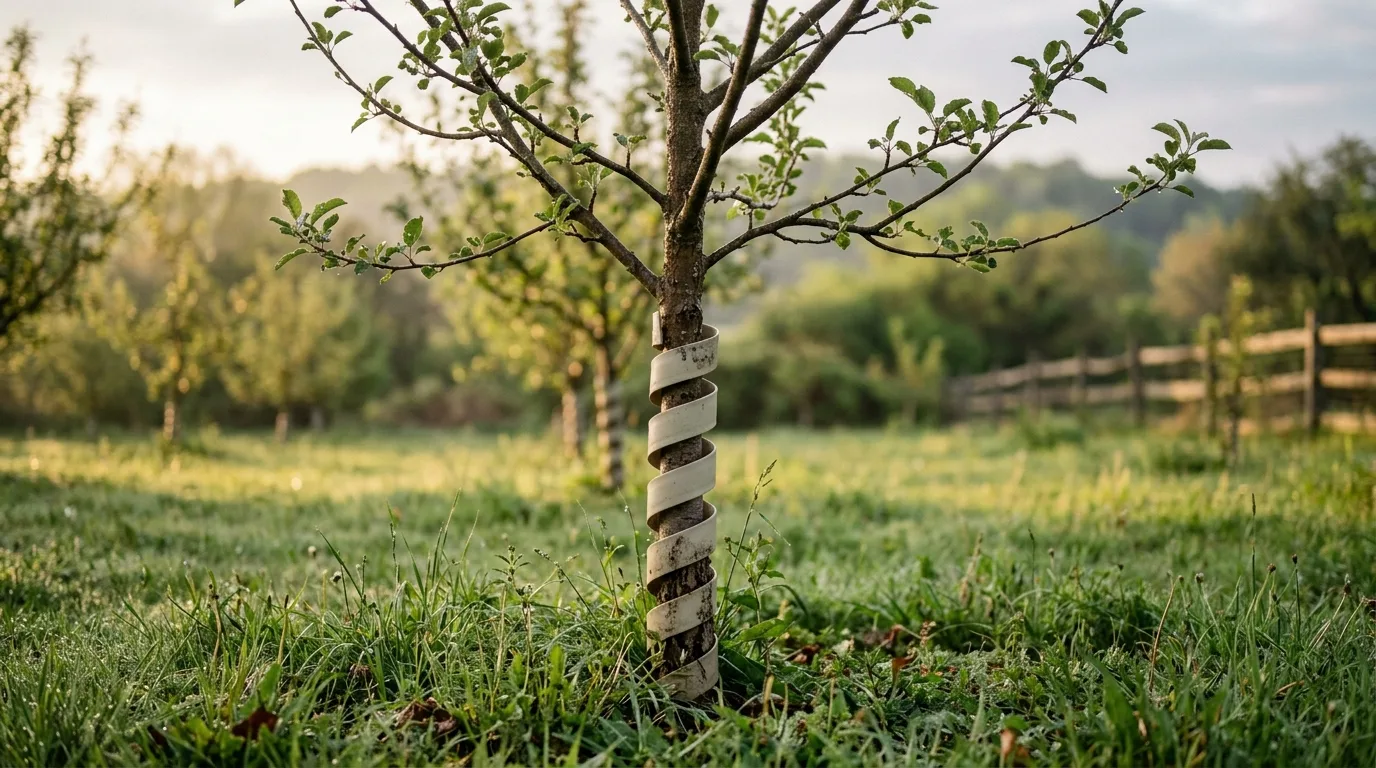
Protecting Fruit Trees from Wildlife: Deer Rubs, Vole Girdling, and Winter Bark Damage
How to protect fruit trees from deer, voles, mice, and rabbits — trunk guards, hardware cloth, fencing, and the orchard-floor habits that actually…
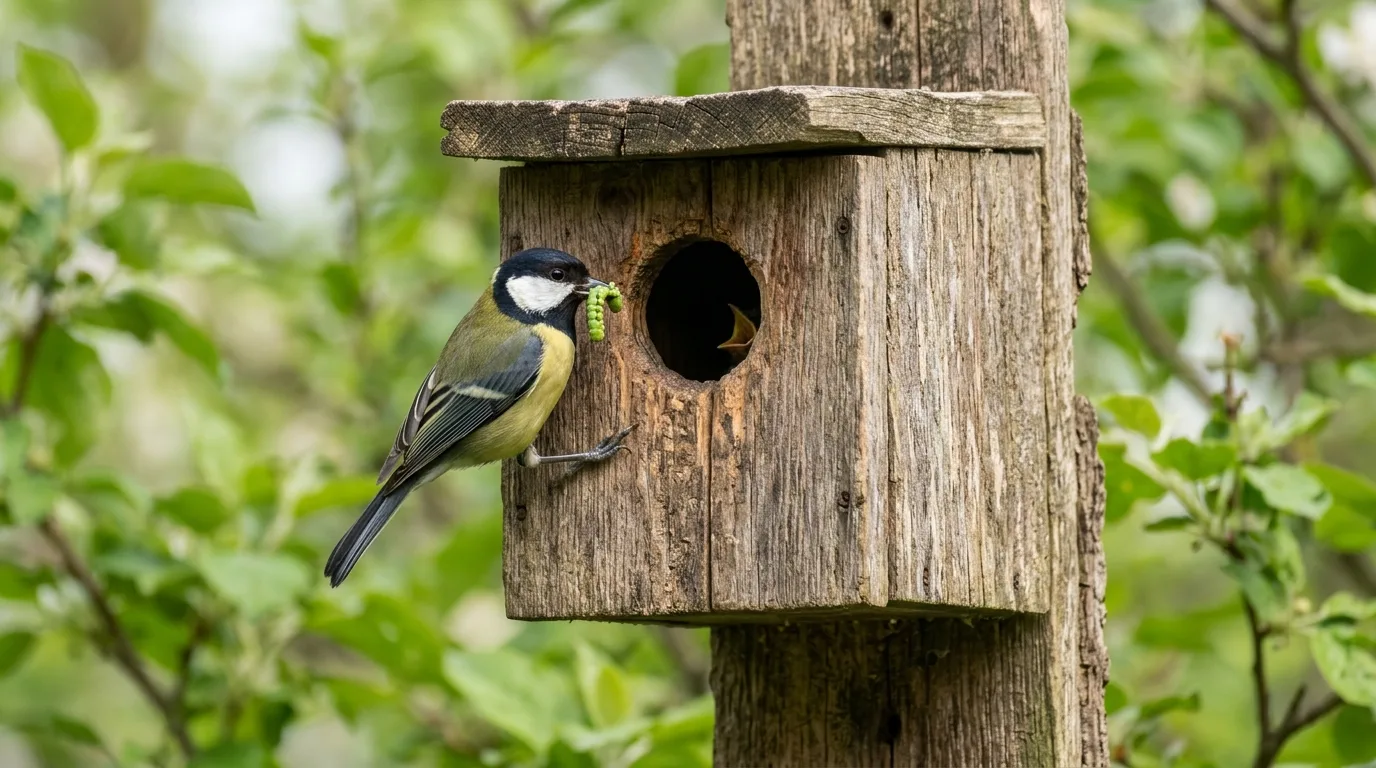
How to Set Up a Nest Box and Watch It With a Camera
How to set up a nest box: hole sizes by species, mounting height, predator guards, and how to add a nest box camera without disturbing the birds.
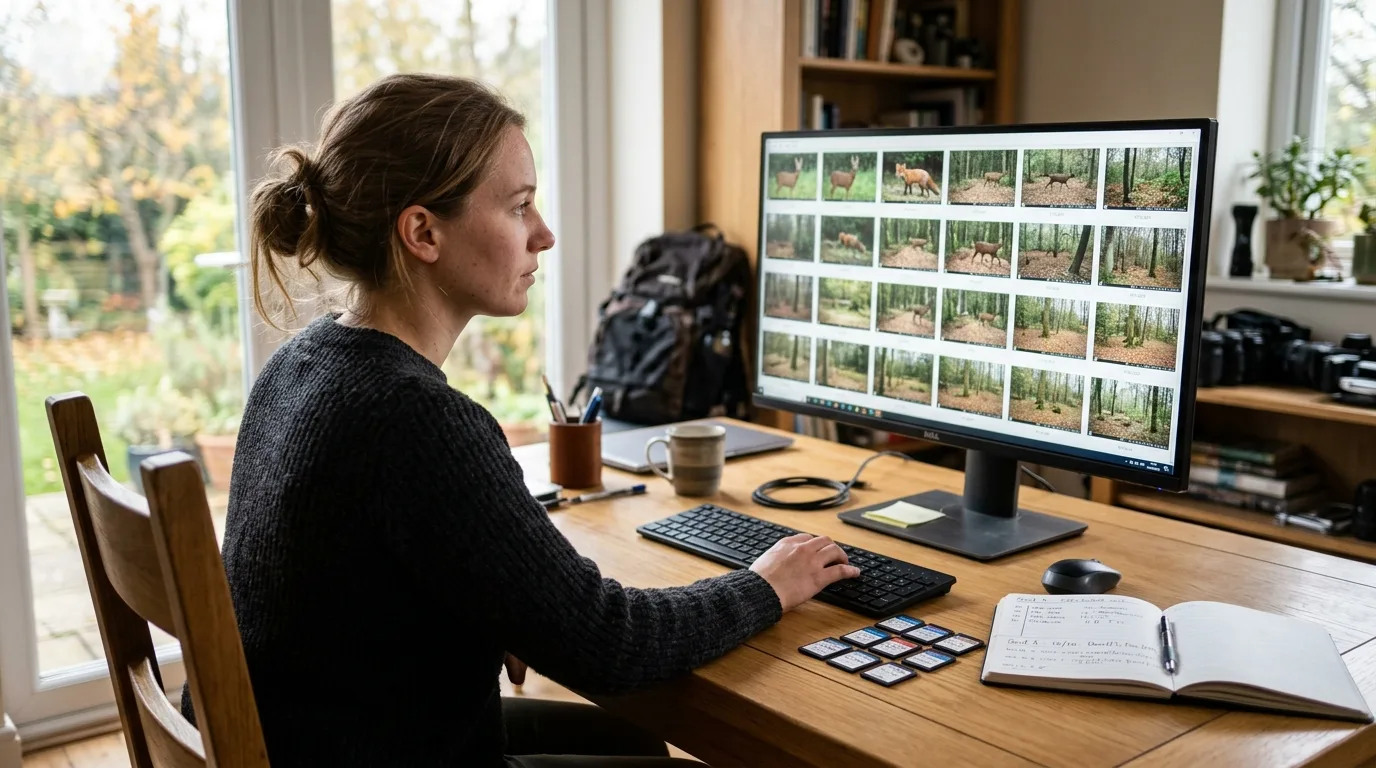
How to Organize a Camera Trap Photo Archive: Folders, Metadata, and Species Tags
Organize camera trap photos the right way: by-deployment folders, date-first naming, EXIF/IPTC tags, data standards, AI pre-filtering, and backup.
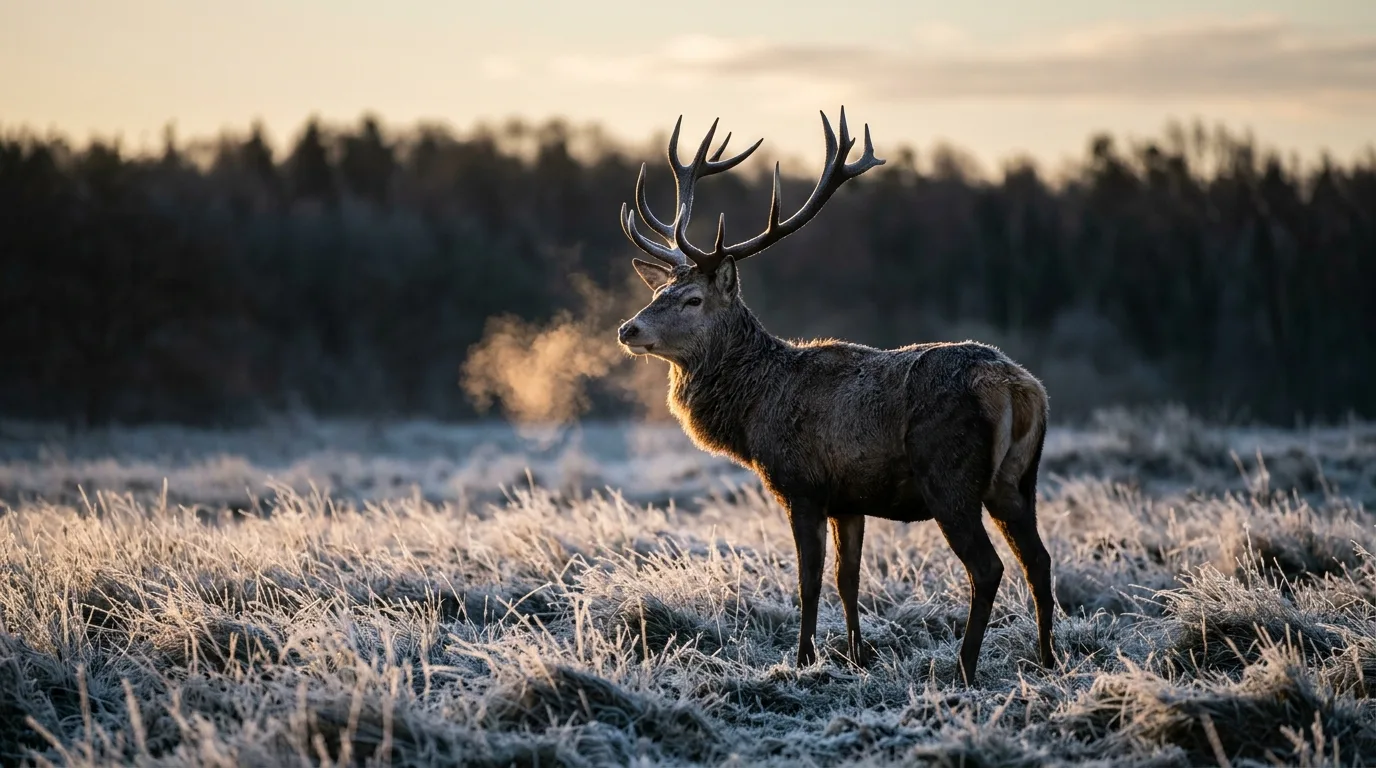
Reading Light for Wildlife Photography: Backlight, Side-Light, and the Golden Hours
Natural light wildlife photography: front, side and back light, the golden hours, color temperature, and how to expose backlit subjects and…
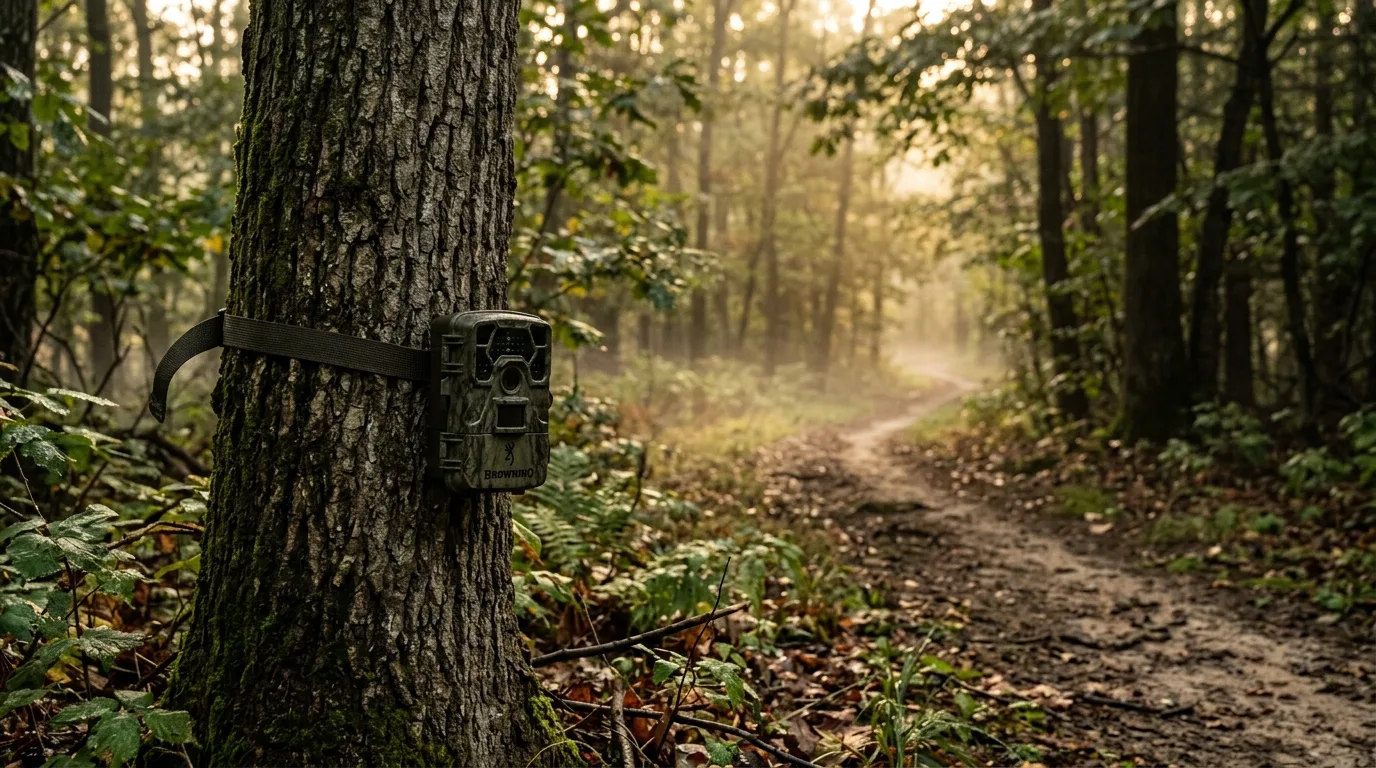
How to Use a Trail Camera to Scout Wildlife Photography Spots (and Time the Shot)
Use a cheap trail camera to scout wildlife photography spots and time your shots — where to place it, how to read the timestamps, and when to carry…
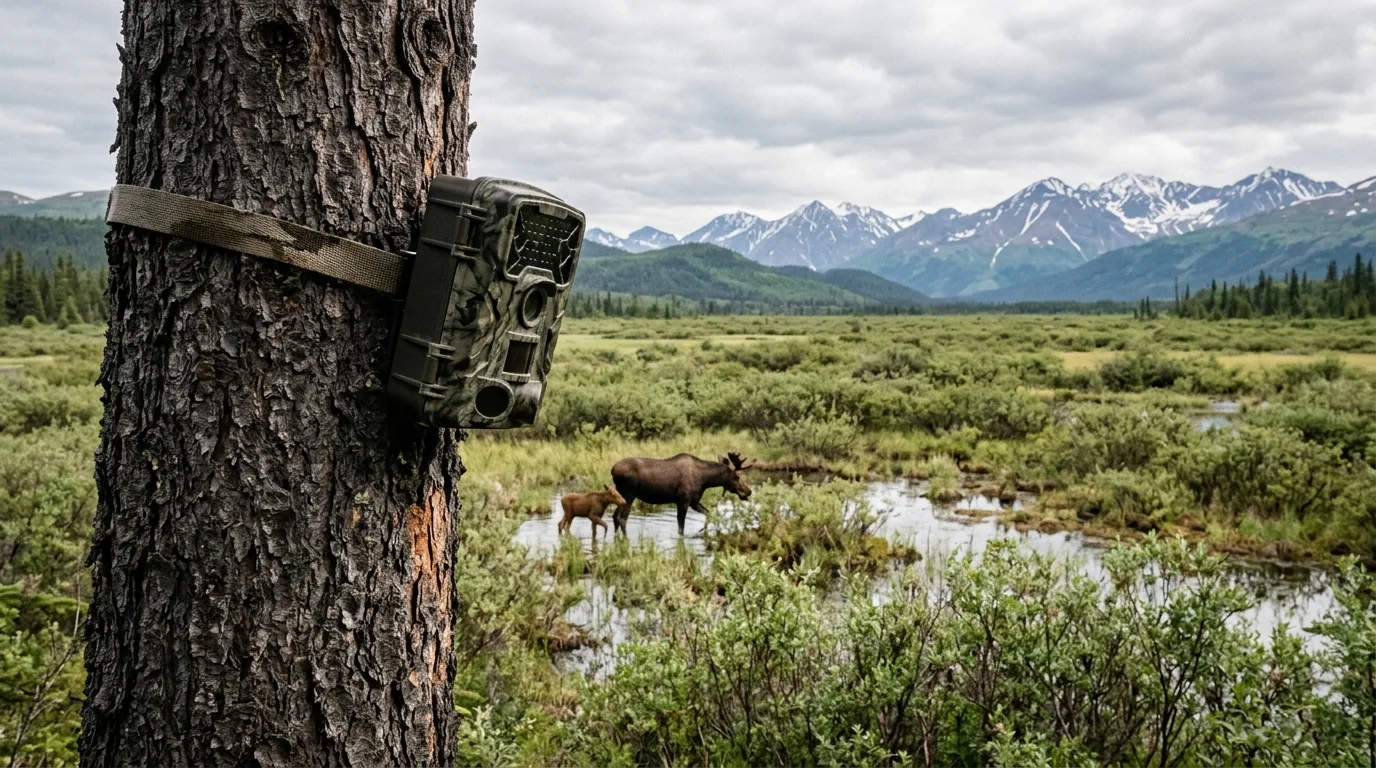
Trail Camera Setup for Moose: Mount Higher, Aim at the Chest
A trail camera for moose needs a higher mount than for deer — up at the animal's chest, lens kept roughly level. Where to set them, settings, and…
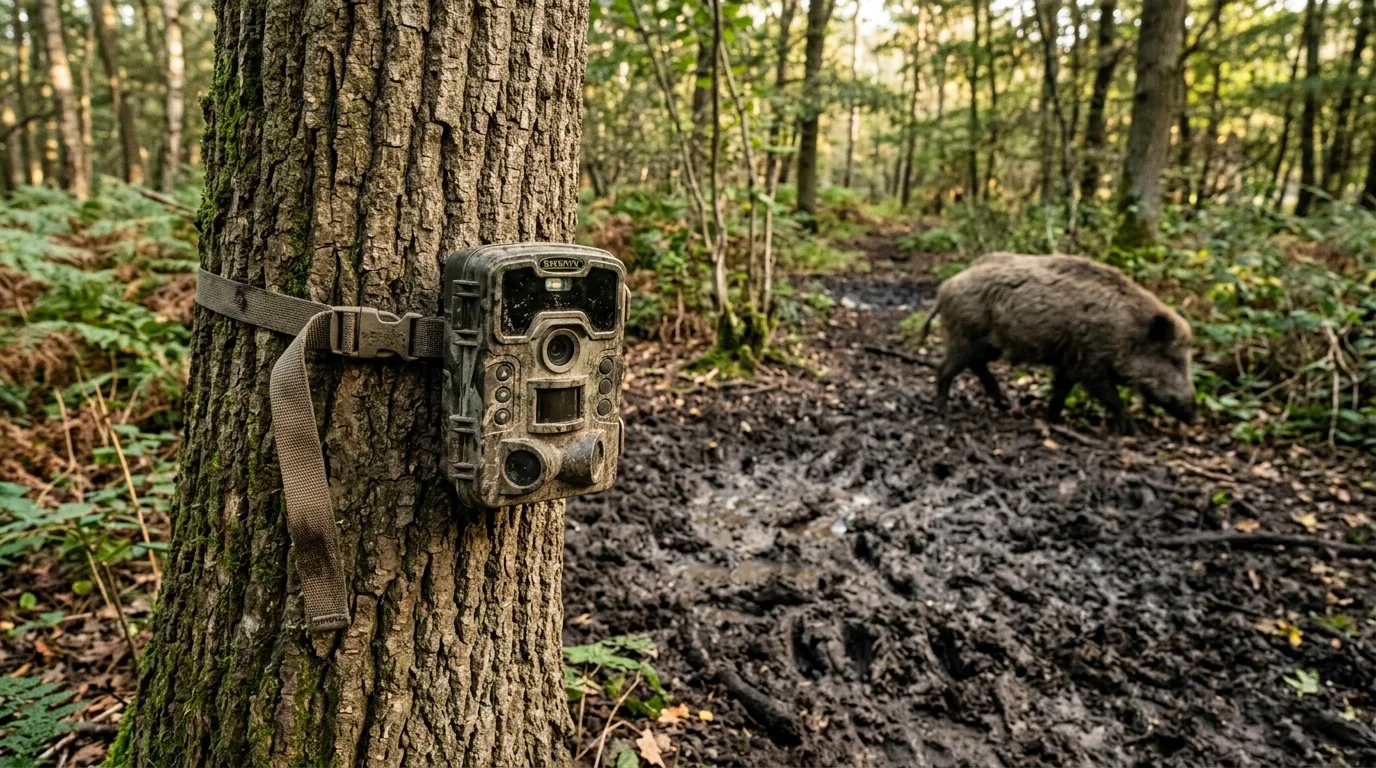
Trail Camera Settings for Wild Boar: Catching Fast, Nocturnal Hogs
Trail camera setup for wild boar: fast trigger, no-glow flash, low mounting, bait distance, and how to read a sounder before you set a trap.
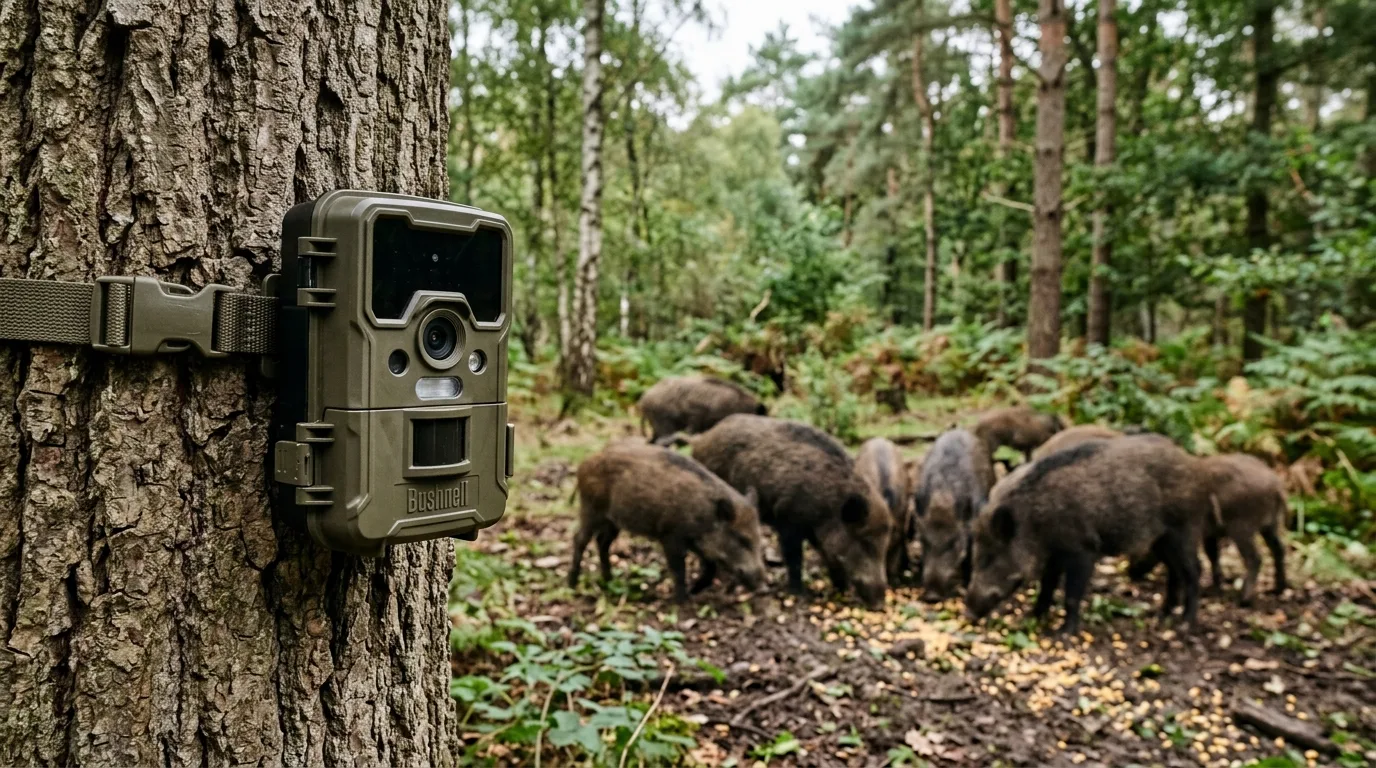
How to Count Wild Boar with Trail Cameras: Baited Surveys and Population Estimates
How to count wild boar and feral hogs with trail cameras: baited station counts, mark-resight, REM, REST, N-mixture, spacing, and the biases to watch.
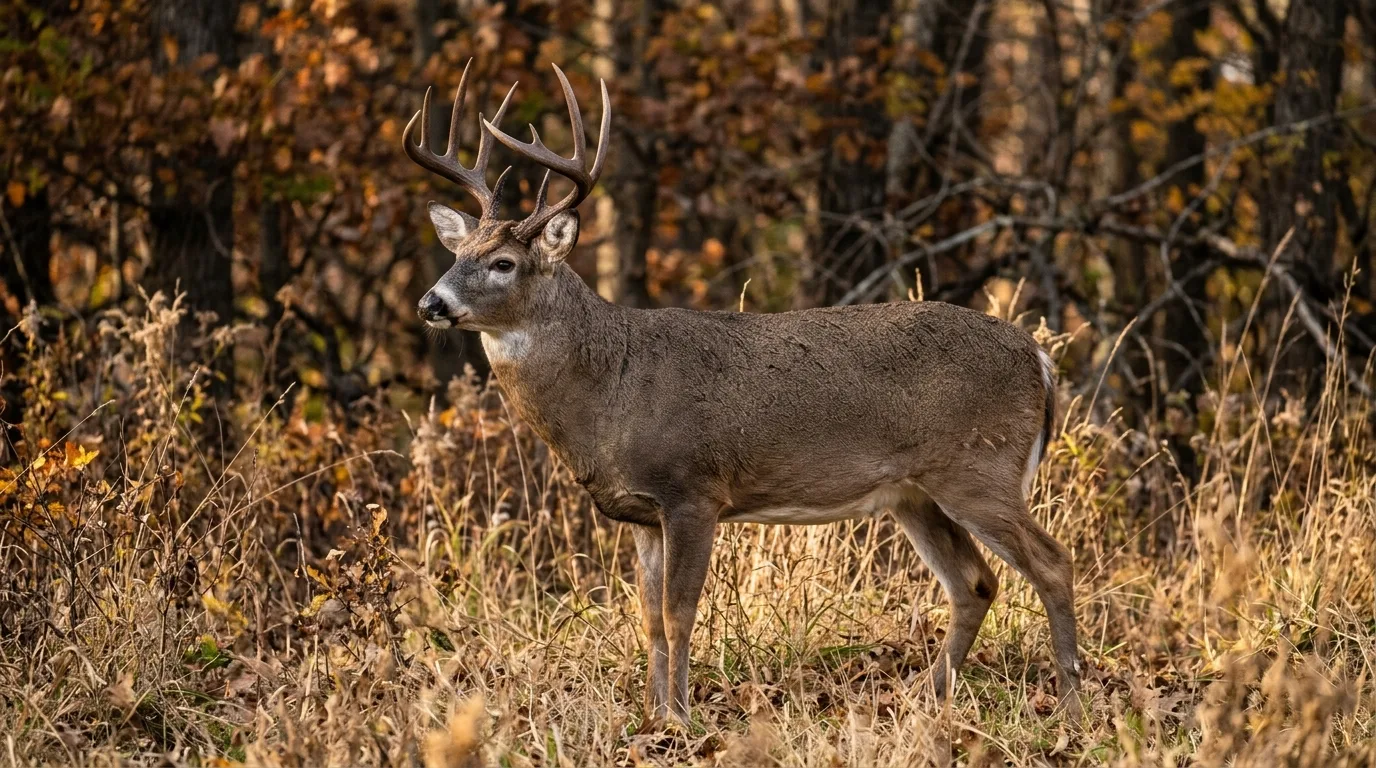
How to Age a Buck on the Hoof: Reading a Deer's Age from Its Body, Not Its Antlers
How to age a buck on the hoof: a body-by-body guide to judging deer age from trail-camera photos — neck, chest, belly, legs — and how accurate it…
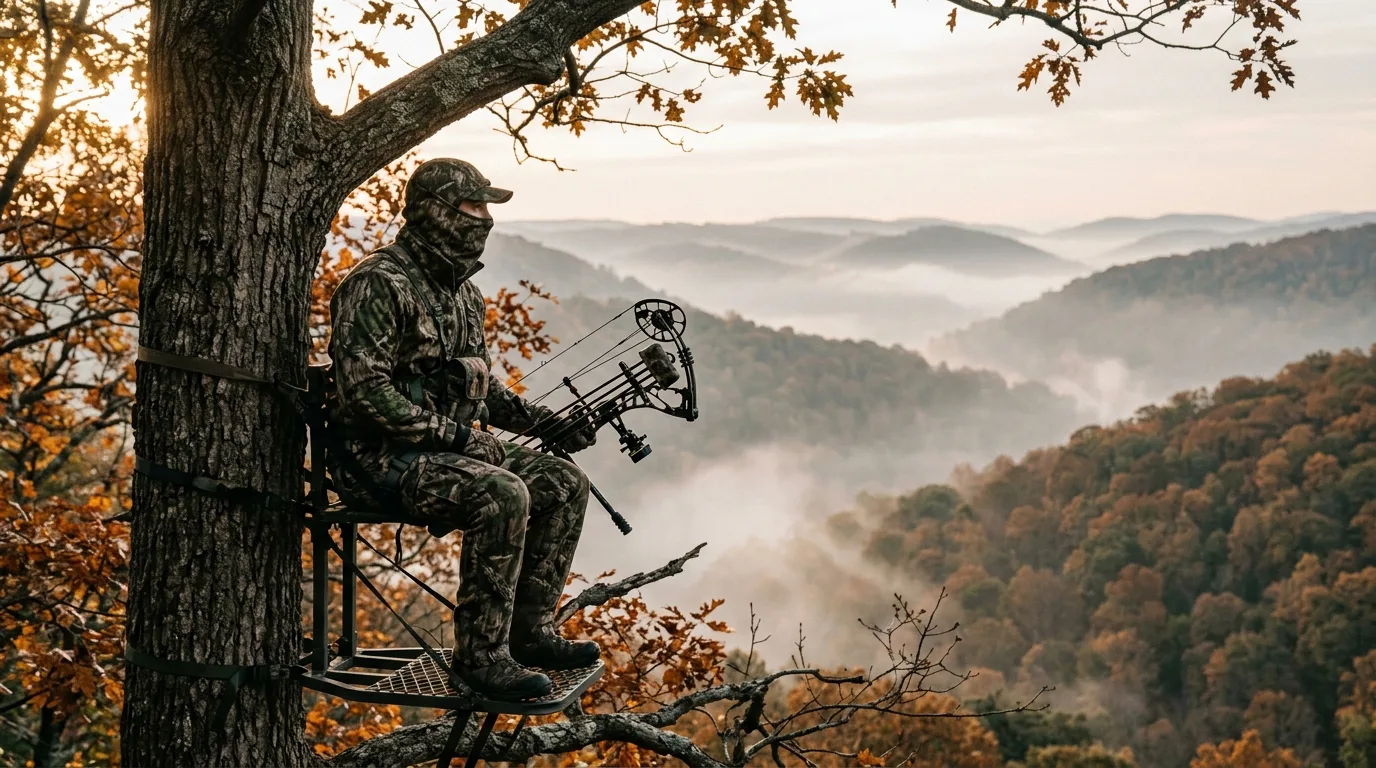
Wind and Thermals for Deer Stand Placement: Hunting Your Scent, Not the Sign
How wind direction and thermals move your scent — and how to place a deer stand, plan entry routes, and read terrain so a buck never smells you.
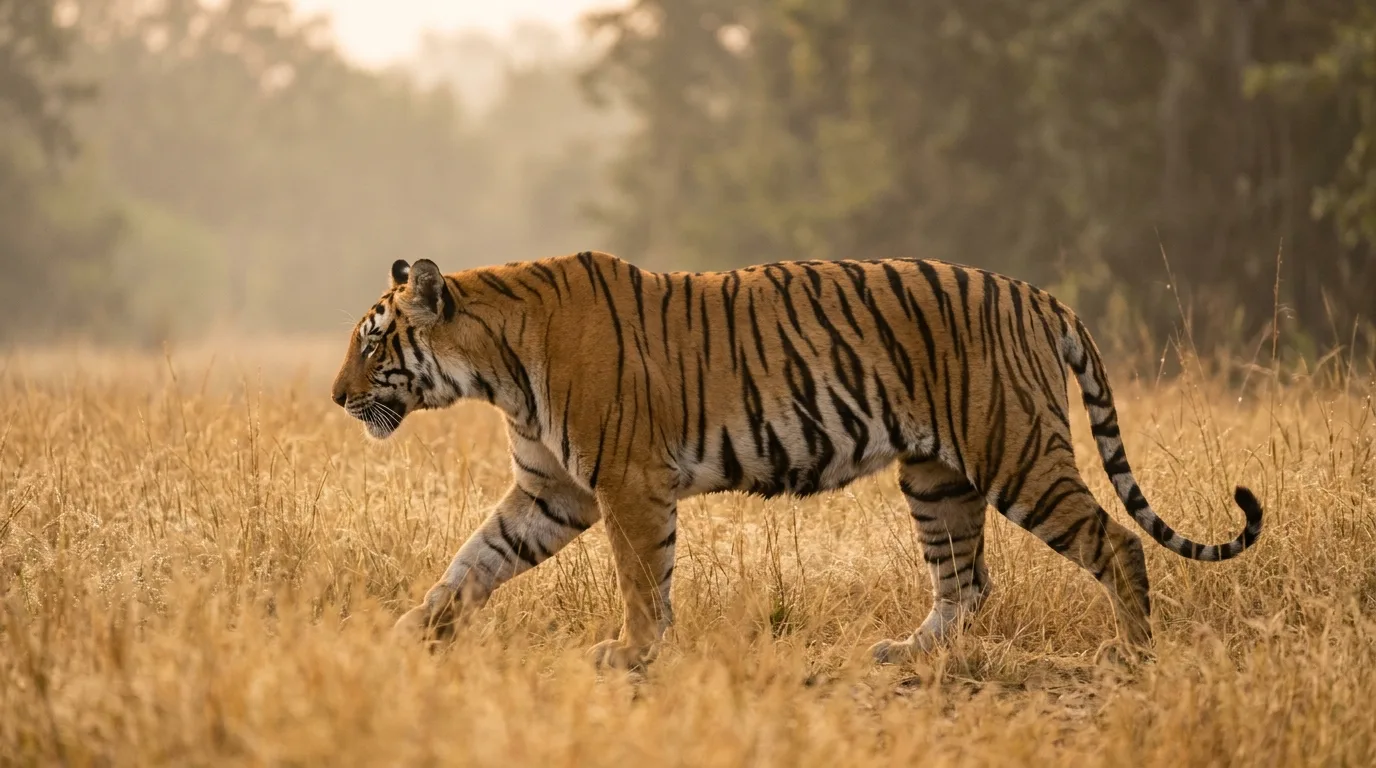
How to Tell Individual Animals Apart in Camera Trap Photos: Antlers, Coats, and Scars
How to identify individual animals in camera trap photos using coat patterns, antlers, and scars — plus the unmarked-species problem and AI re-ID.
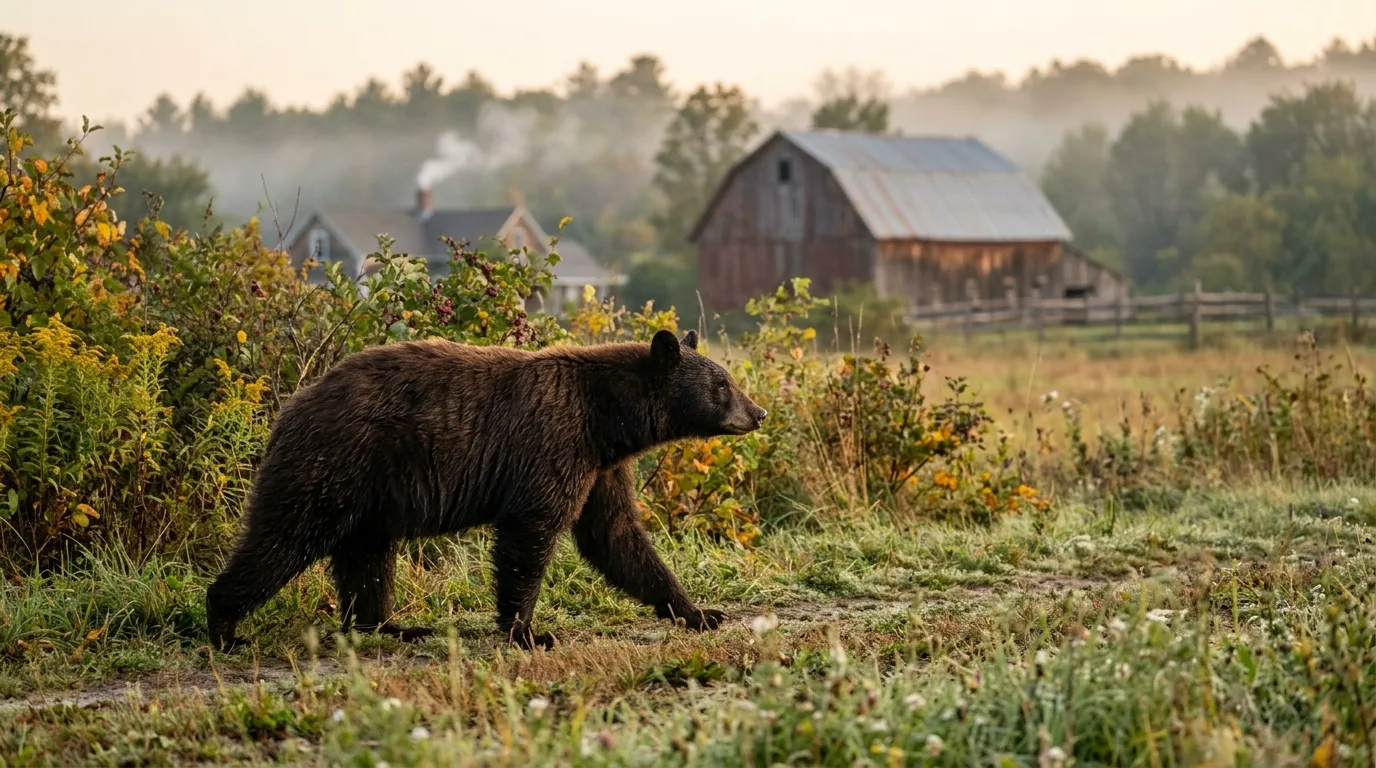
Bear-Proofing the Homestead: How to Protect Beehives, Coops, and Feed
How to keep bears away from your homestead: bear-proof beehive fencing specs, coop and feed protection, and the attractant rules that actually work.
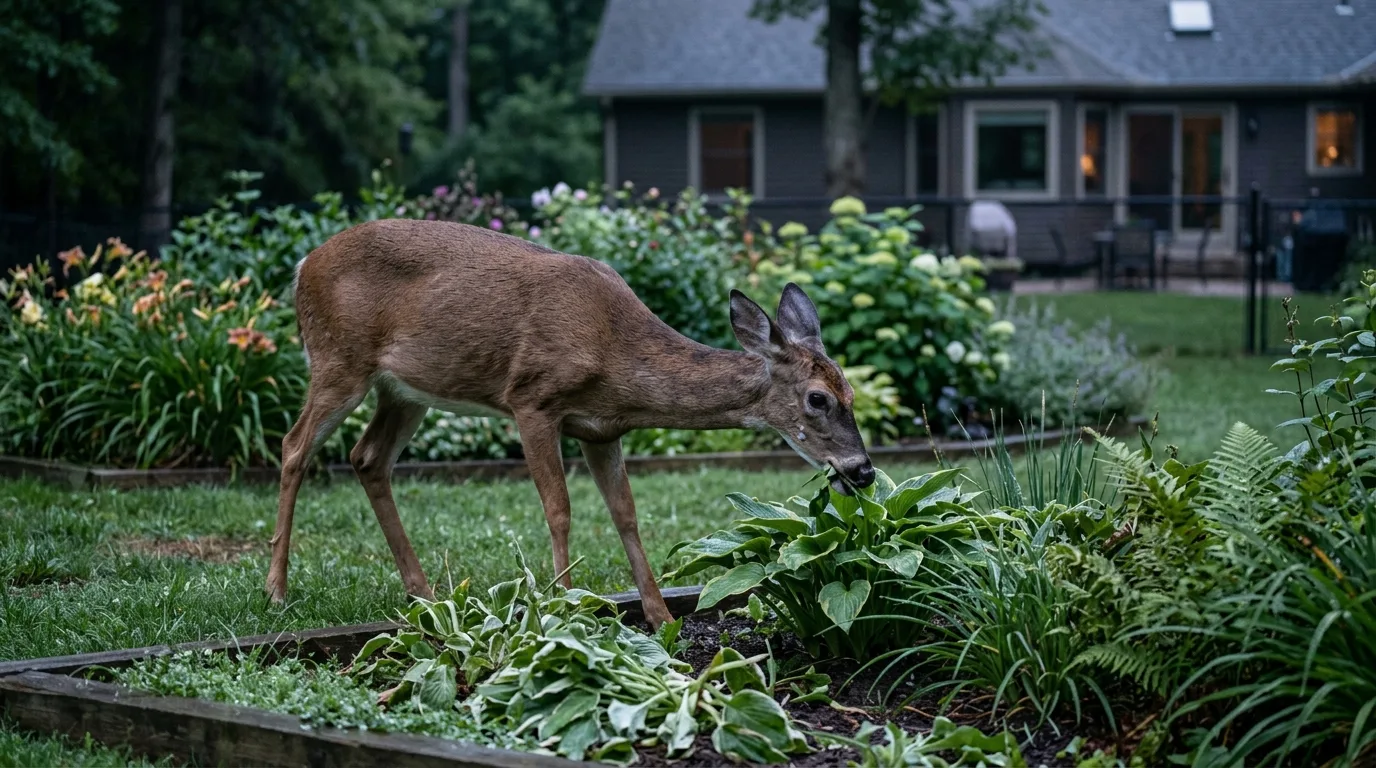
How to Keep Deer Out of the Garden: Fences, Repellents, and What Actually Works
How to keep deer out of the garden: the fence heights that actually work, which repellents are worth buying, and why scare devices fail.
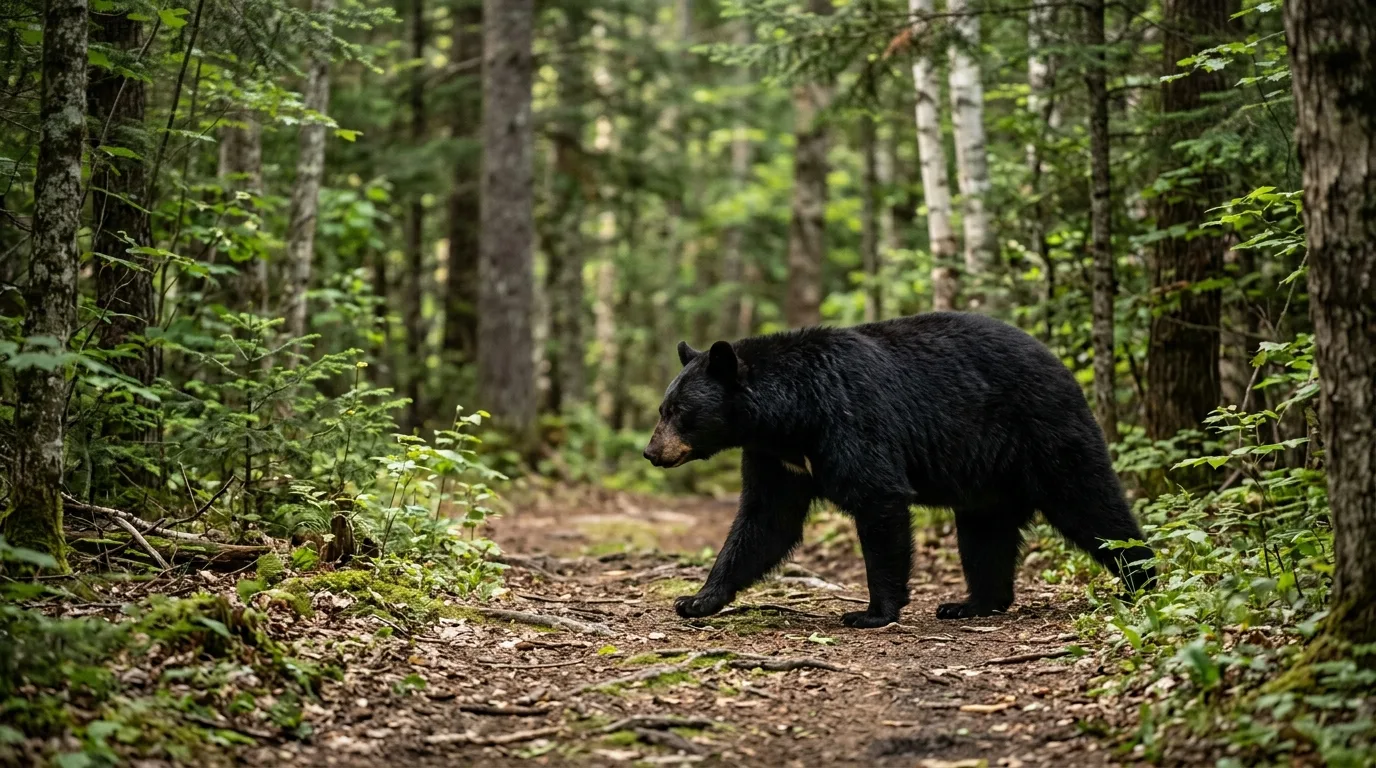
Black Bear Trail Camera Monitoring: Counting Bears and Reading the Seasons
How to count black bears and read seasonal activity with trail cameras and DNA: SCR, hair snares, REM, bait stations, AI individual ID, and denning…
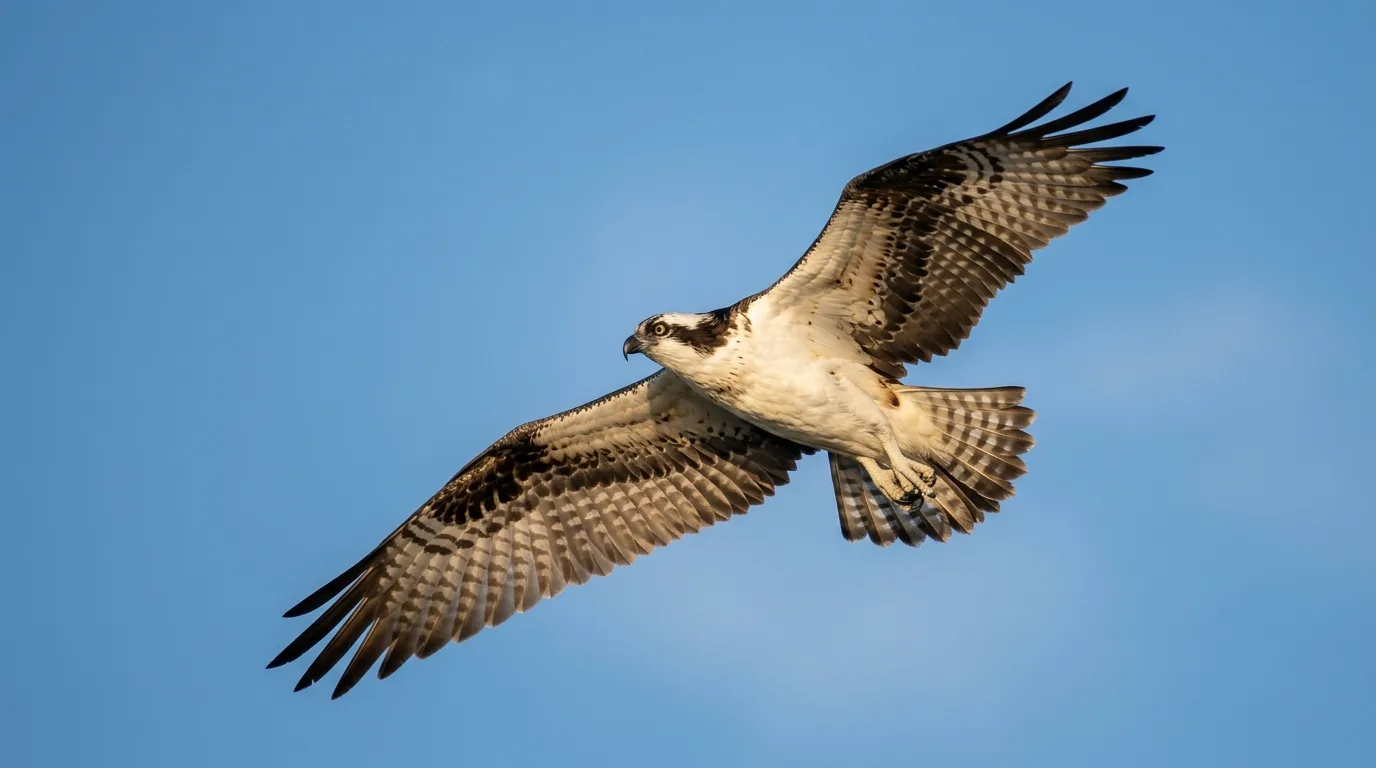
How to Photograph Birds in Flight: Shutter Speed, Autofocus, and Field Technique
How to photograph birds in flight: real shutter speeds by bird size, the autofocus modes that work, and the field technique that gets sharp keepers.
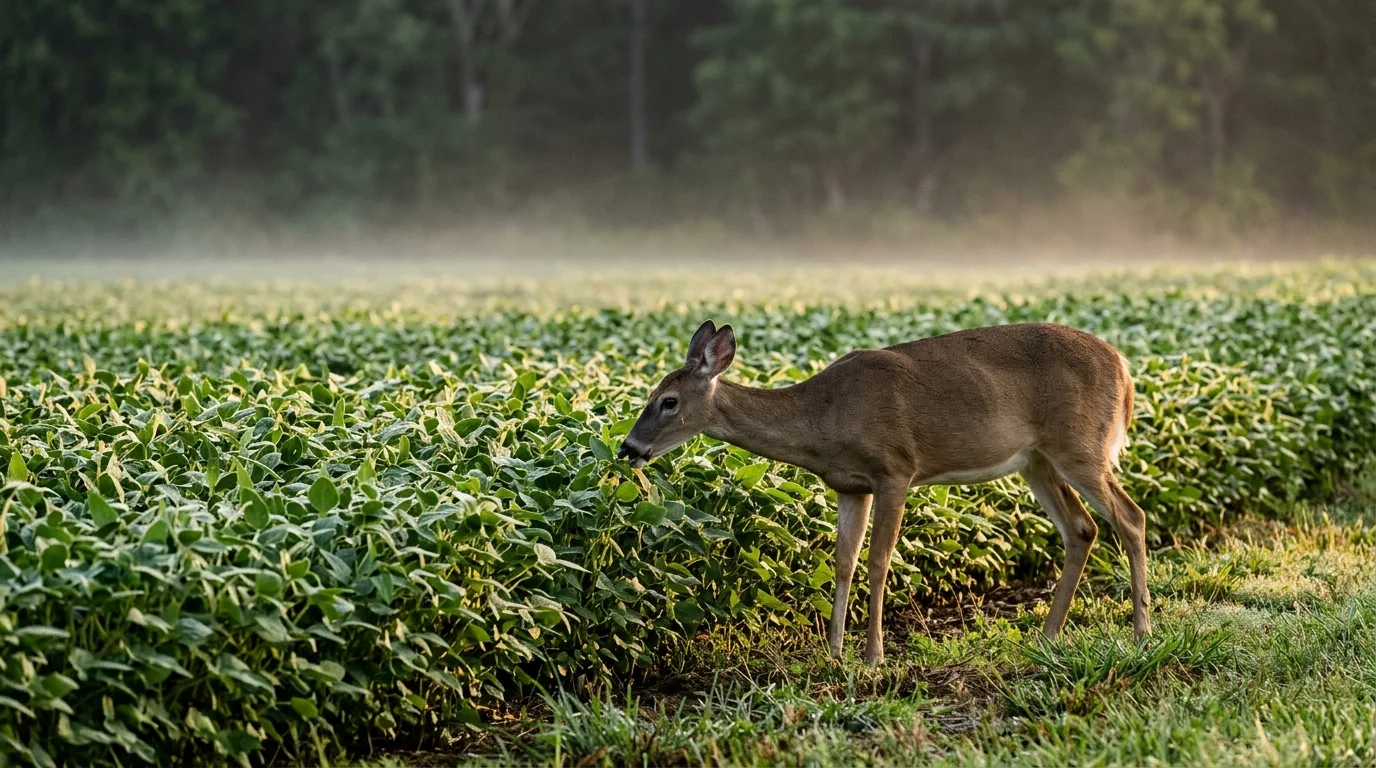
Protecting Crops from Deer and Wild Hogs: A Trail Camera Strategy
Use trail cameras to scout deer and wild hog crop damage, then match fences, trapping, and control to the intel. A farmer's field-tested strategy.
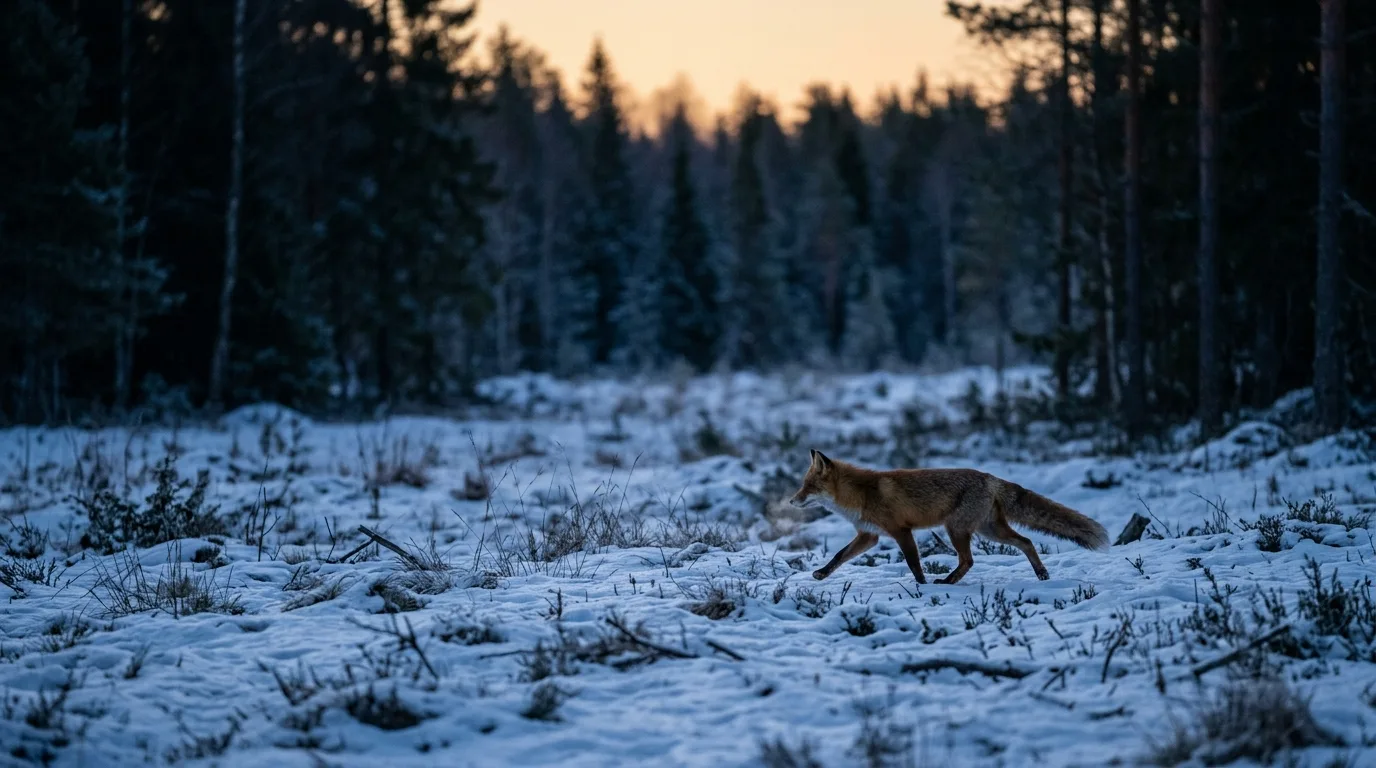
From Timestamps to Animal Activity Patterns: A Camera Trap Workflow
Turn camera trap timestamps into animal activity patterns: clean date-times, temporal independence, kernel density, the overlap coefficient, sample…
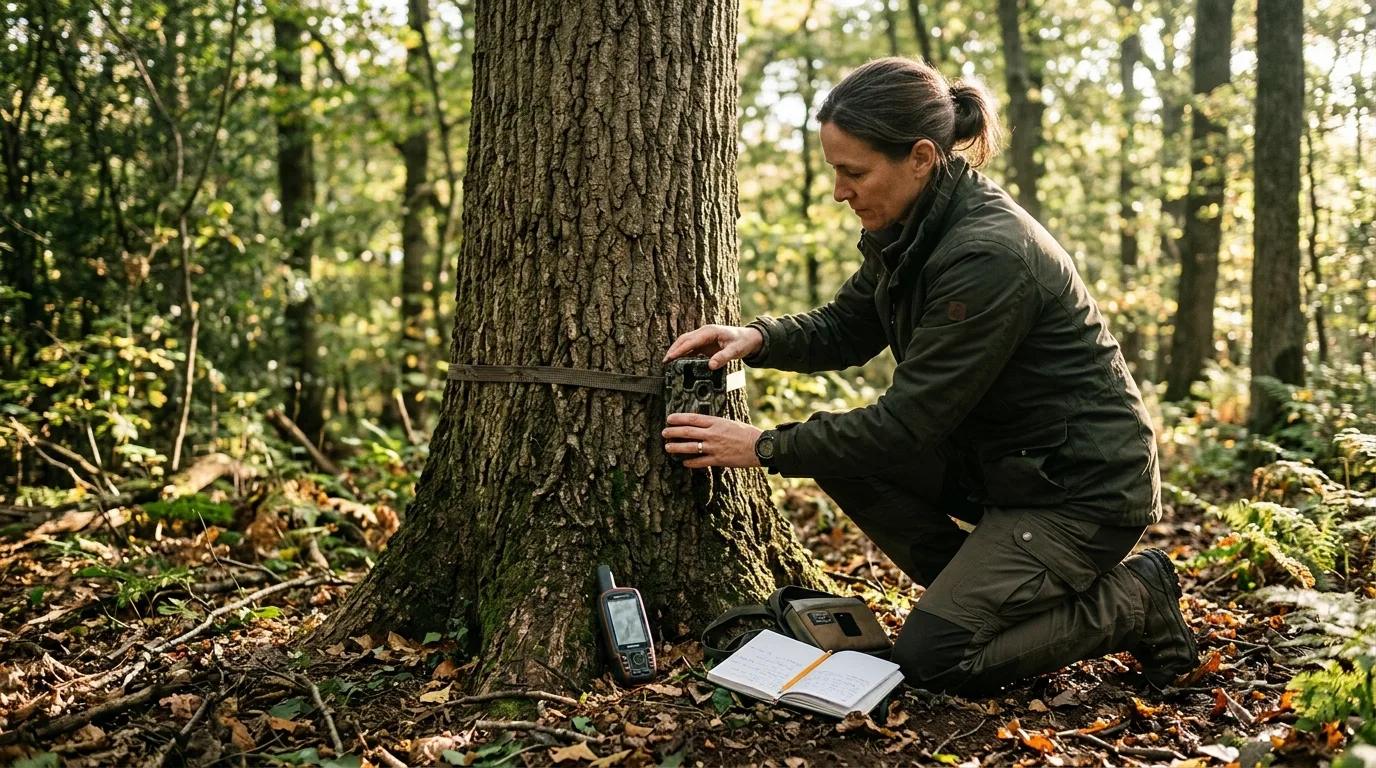
Camera Trap Survey Design: Spacing, Density, and Duration
A researcher's guide to camera trap survey design: how to set spacing, station density, and survey duration so your data answers the question you…
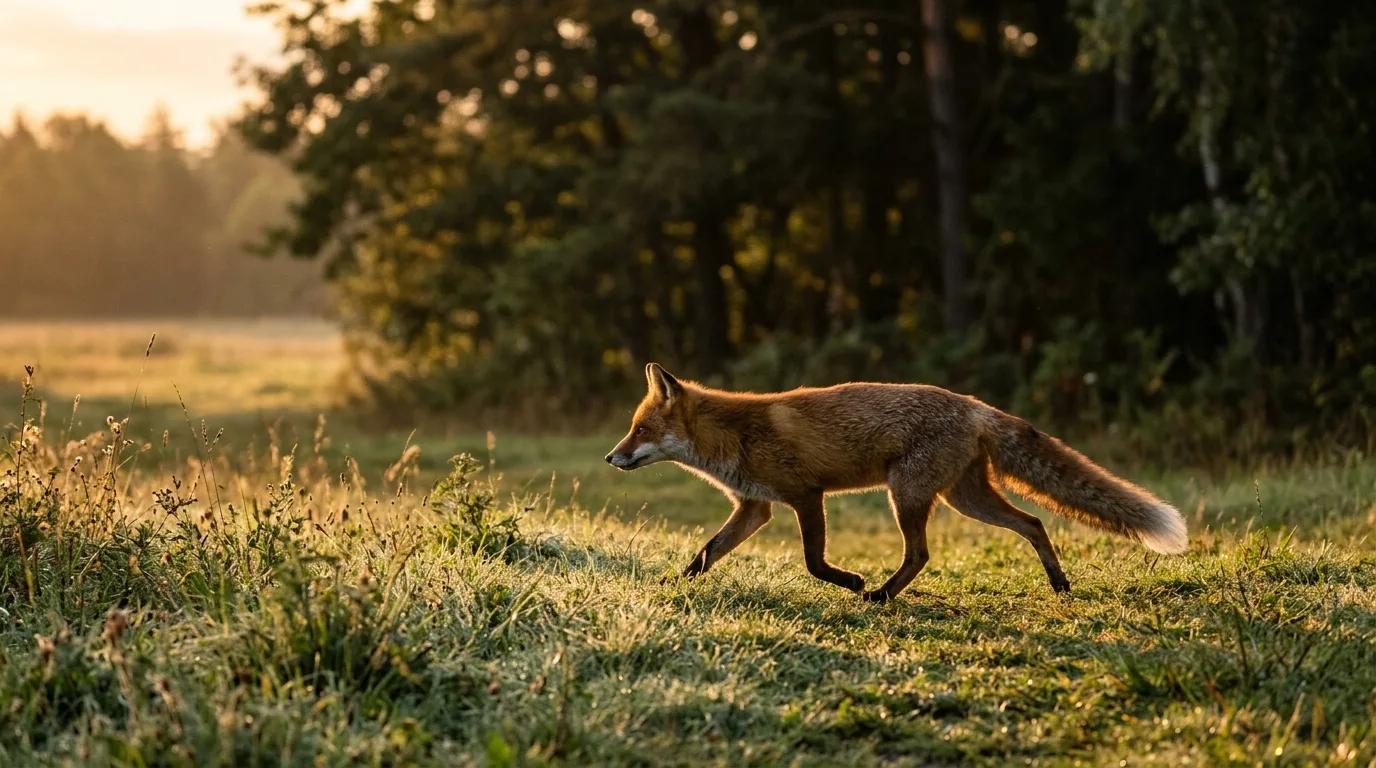
How to Photograph Foxes, Owls, and Bobcats: A Fieldcraft Guide to Elusive Animals
How to photograph foxes, owls, and bobcats: learn their habits, read sign, time the light, hide well, and stay ethical. Fieldcraft beats any lens.
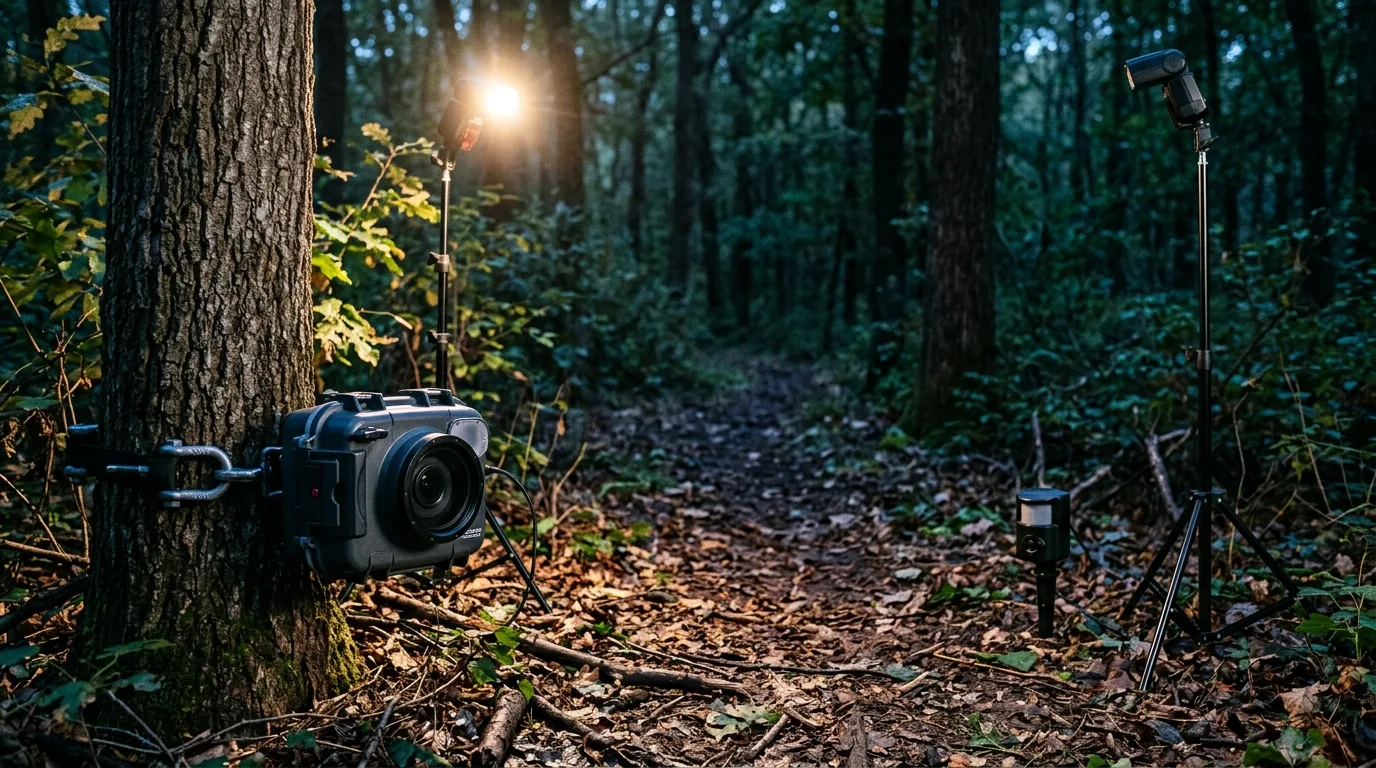
How to Set Up a DSLR Camera Trap: Flash, Focus, and Triggers
How to set up a camera trap with a DSLR: triggers, pre-focusing, multi-flash lighting, exposure, and weatherproofing — real settings from the field.
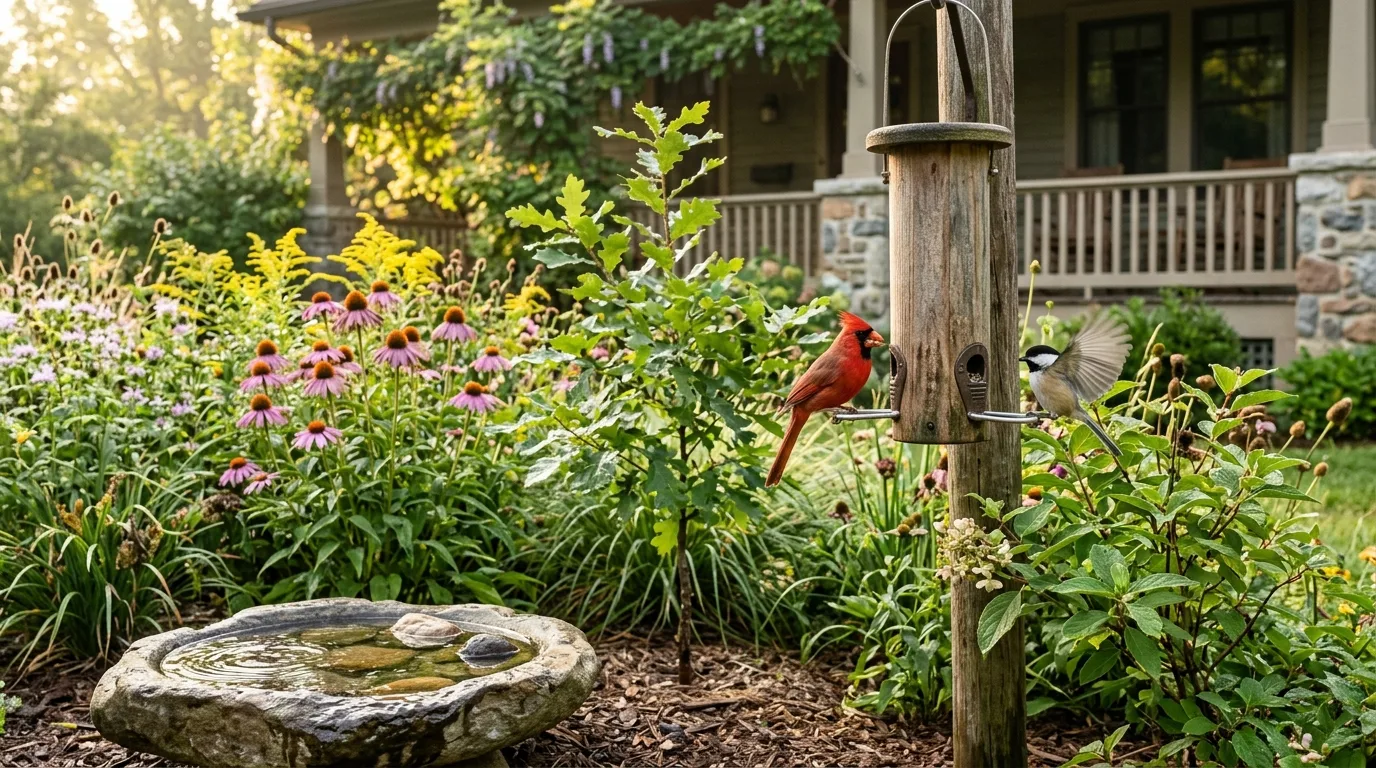
How to Attract More Birds to Your Yard (and Catch Them on Camera)
Learn how to attract birds to your yard with the four moves that matter most—native plants, water, the right feeders, and a safe yard.
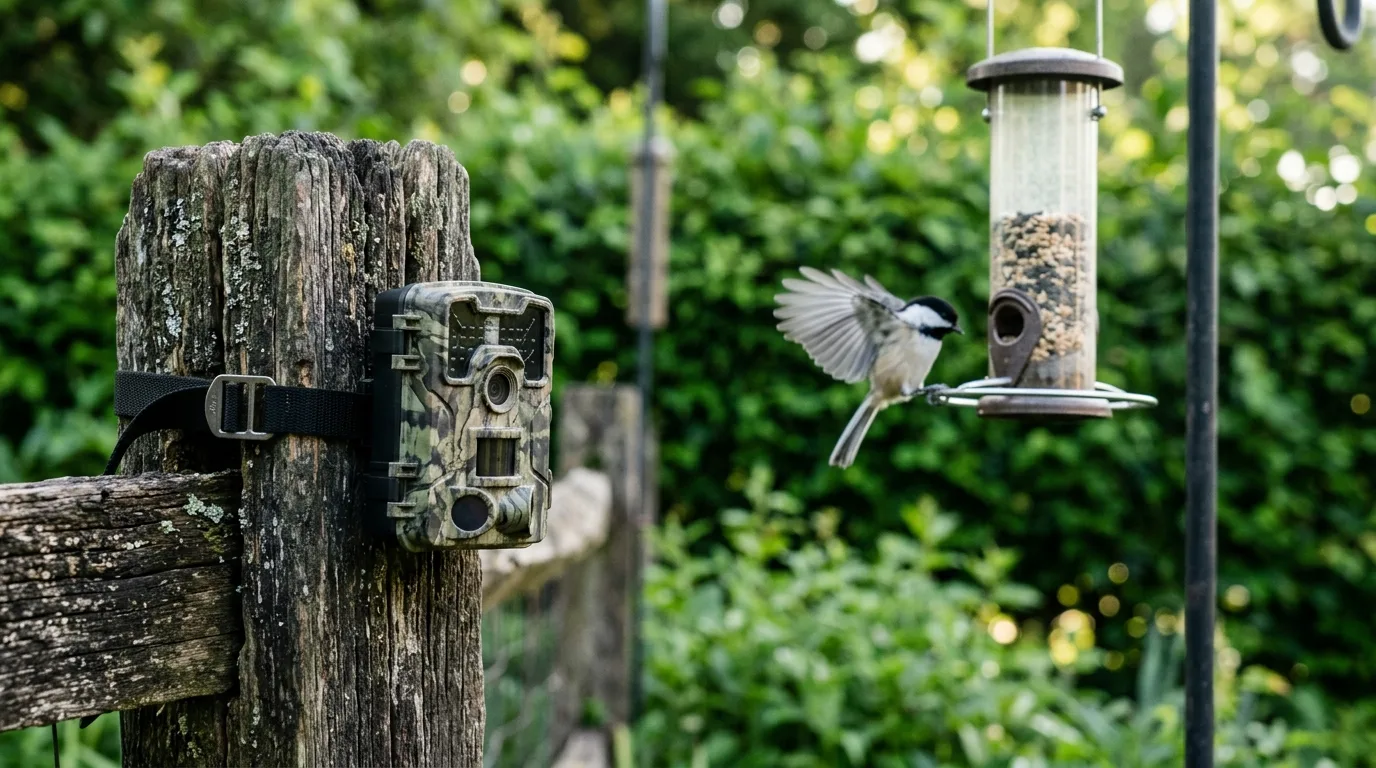
Trail Camera Settings for Birds: What Actually Works
An honest, field-tested guide to using a trail camera for birds: trigger speed, time-lapse tricks, close focus, feeders, and flash settings that work.
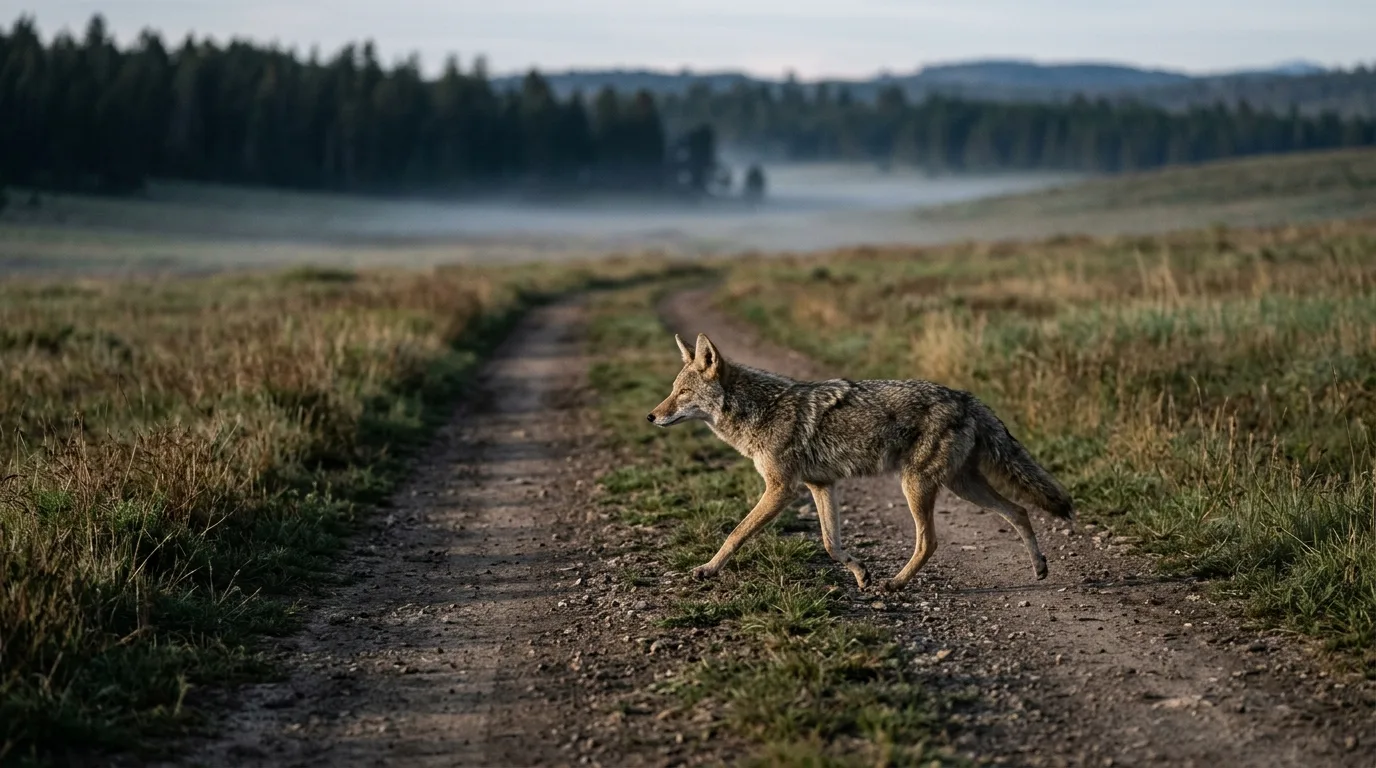
Trail Camera Predator Monitoring: Tracking Coyotes, Foxes, and the Mesopredator Guild
Trail camera predator monitoring for coyotes and foxes: where to set, lures, telling canids apart, and what photos can't tell you about density.
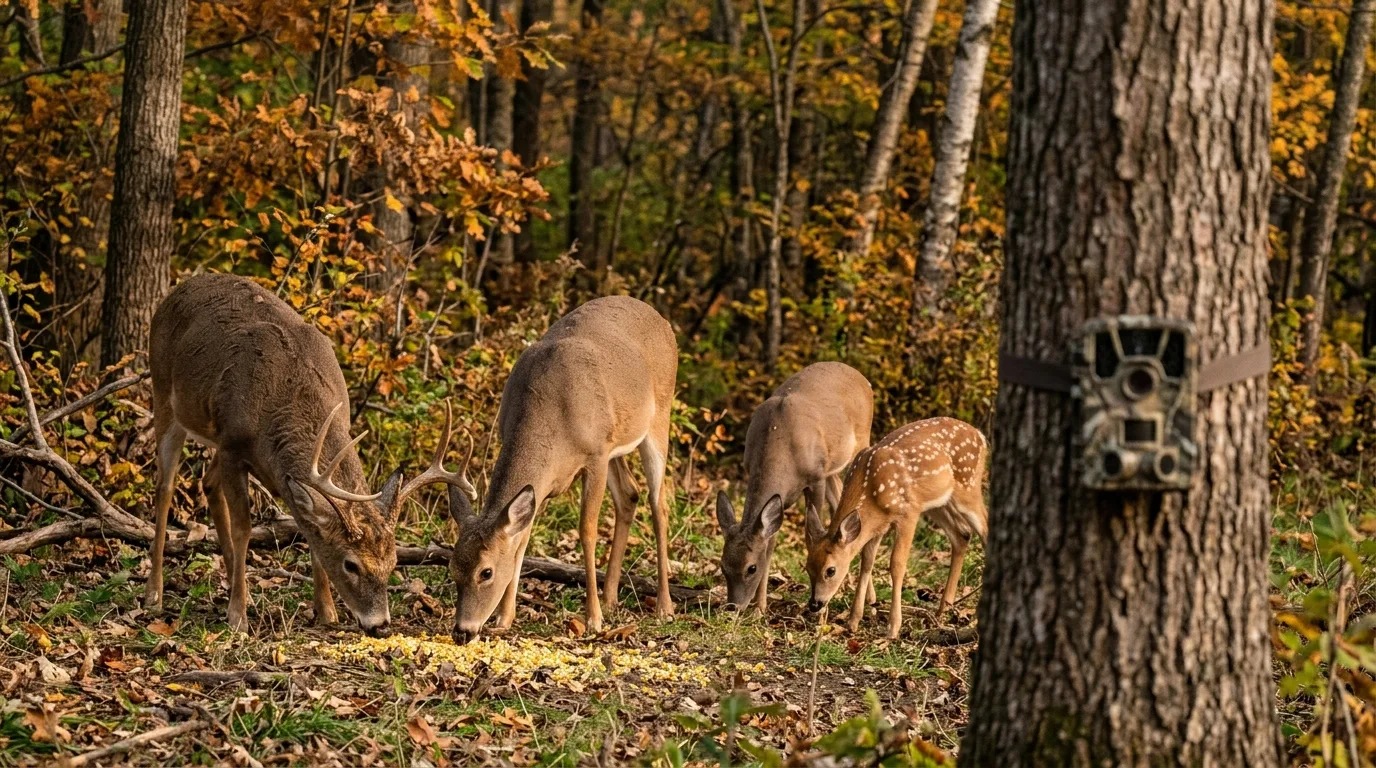
How Many Deer Are on Your Land? Running a Trail Camera Survey
Run a trail camera deer survey to estimate your herd size, buck-to-doe ratio, and fawn crop. A field-tested how-to with the numbers that matter.
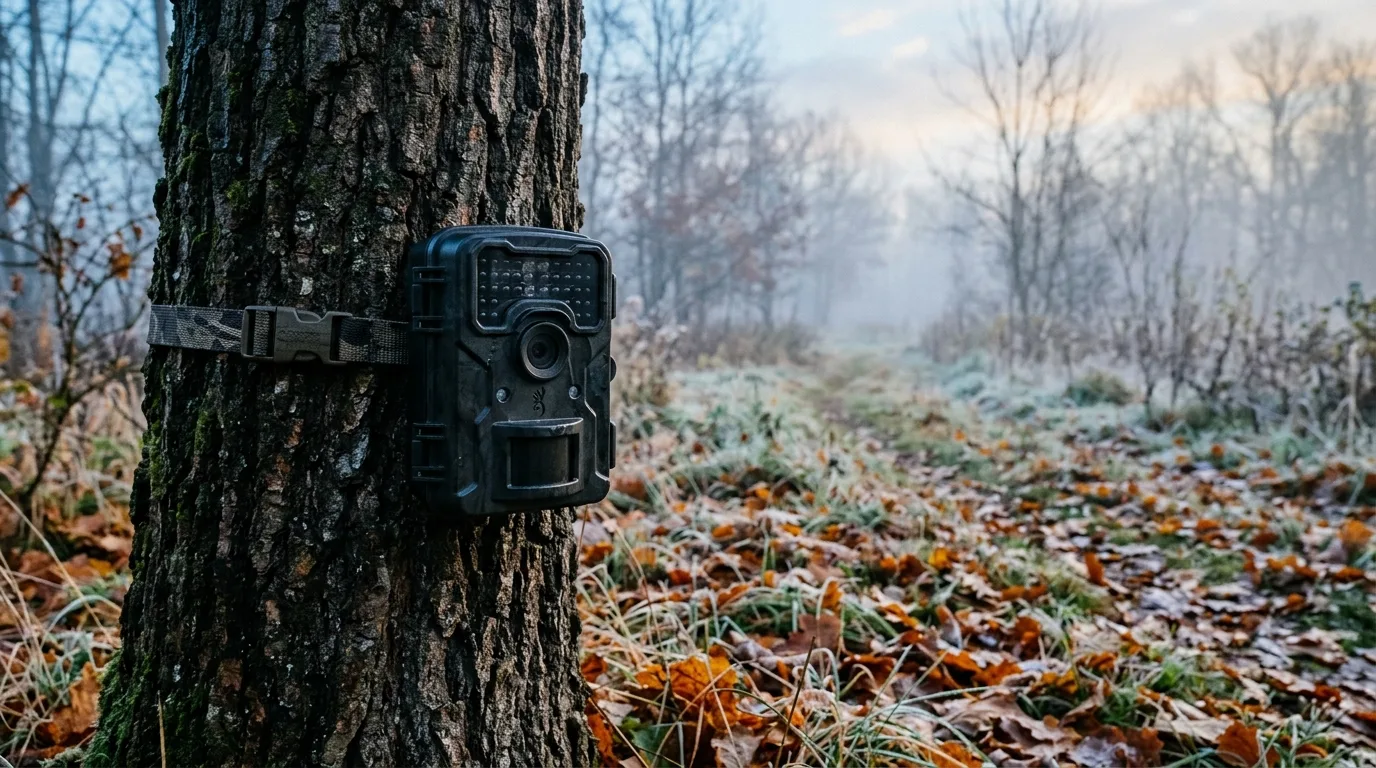
What the Data on Your Trail Camera Photos Means: Date, Temp, Moon, and Camera ID
What does trail camera data mean? Decode the date, time, temperature, moon phase, pressure, and camera ID on your photo strip — and what to do with…
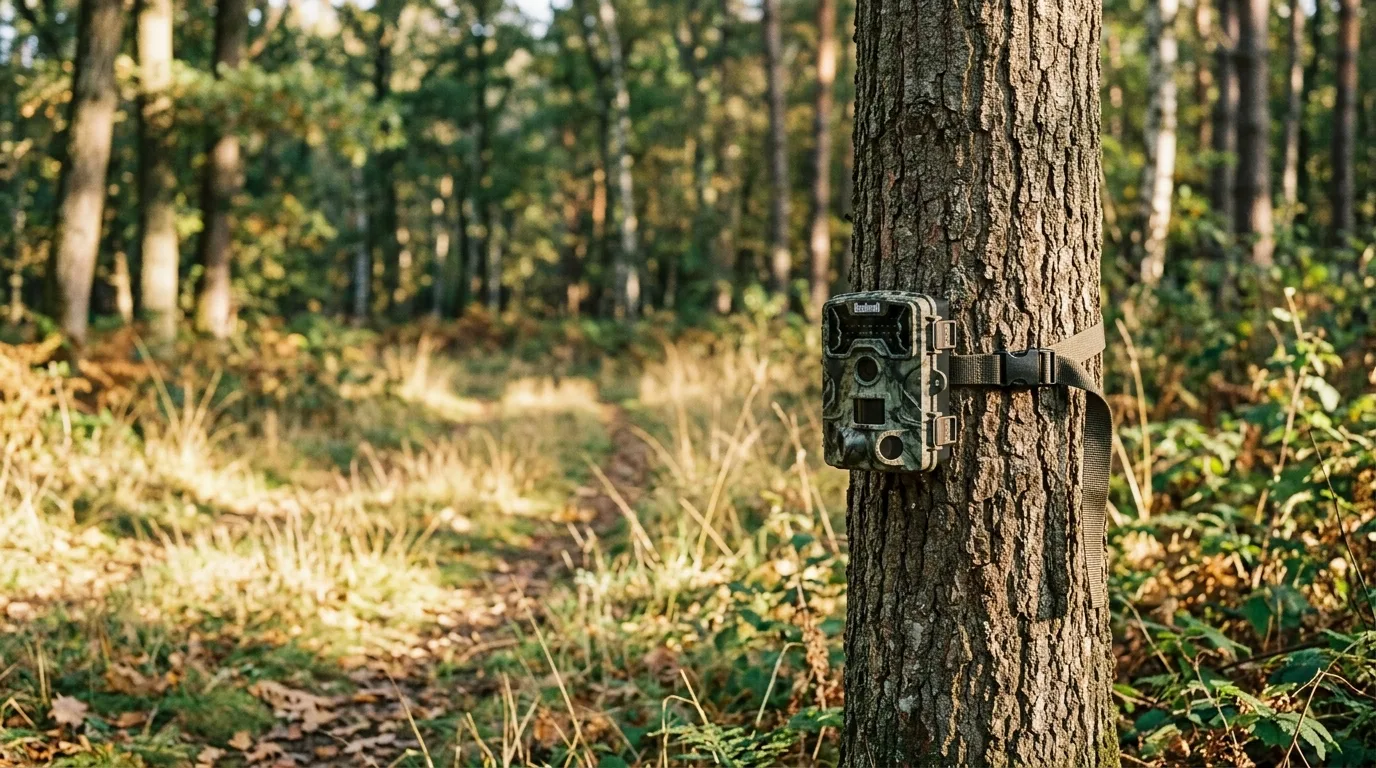
Trail Camera Placement for Beginners: Height, Angle, and Direction
Where to put a trail camera: mount it at knee height (~50 cm), keep it parallel to the ground, and face it away from the midday sun. A beginner's…
No articles match those filters. Clear all